

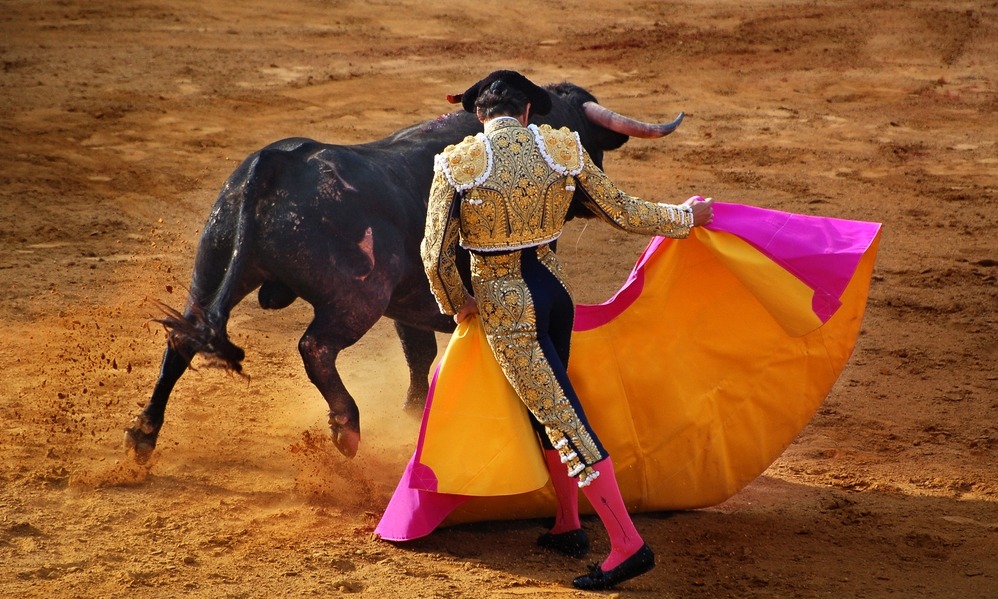
I’ve had a soft spot for Spain since I was very young. Somewhere around the age of 13 my family hooked up with a Spanish family, living in Valencia province and we visited annually spending many happy years and months there. The family had 8 daughters. After some years, there was a general consensus that I might one day marry their eldest, Beatriz. I learned to speak Spanish in an early bid to enhance eligibility. Sadly, Beatriz wasn’t playing ball, or at least, not with me and had plans of her own that didn’t include English boys. Sigh. So it goes…
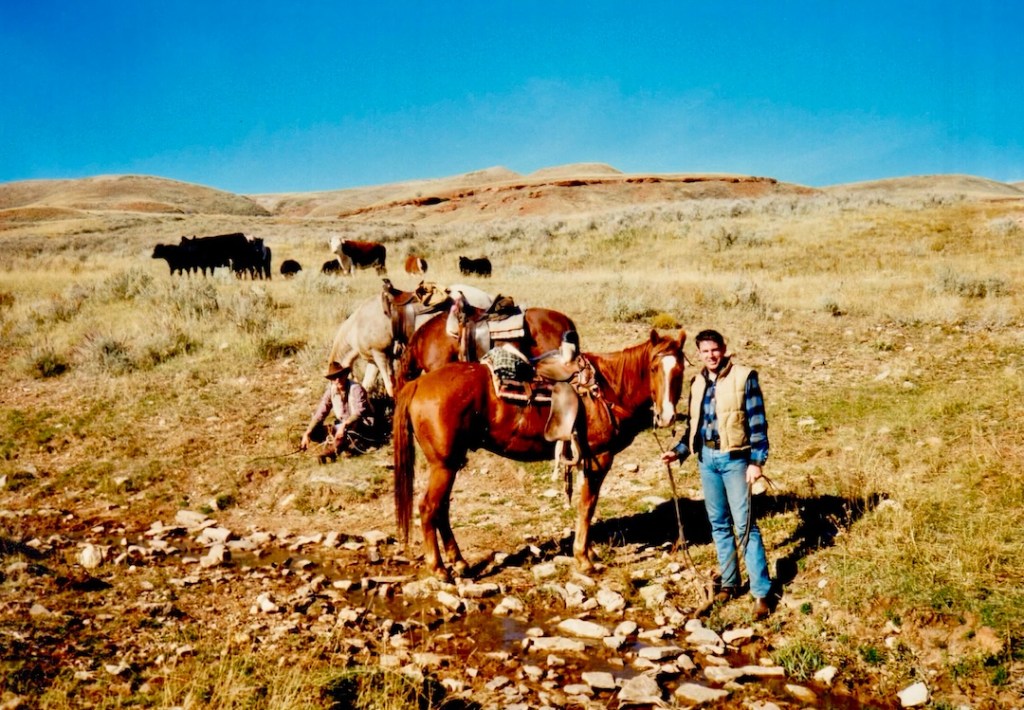
I also used to ride and own a horse in Spain (Long story, maybe another time – I also worked as a cowboy in Montana for 6 months, but that’s definitely for another day). The Spanish introduced horses to the Americas and have an impressive history. Don’t forget that the magnificent white Lipizzaner stallions that perform classical dressage are working for the Spanish Riding School in Vienna
My time in Spain taught me a bit about the country and the people. Spain is an exhilarating country, where they live life to the full, in public and often at high speed. It’s noisy, bustling and cheerful and usually runs at maximum volume. The difficulty in writing about Spain is that it tends to be already well-visited by British people. I’d go as far as to say that a majority of Brits have probably visited somewhere Spanish at least once in their life. Majorca, Minorca, Tenerife, Lanzarote, Malaga, Alicante, Almeria, Barcelona and maybe Madrid? So what could I possibly add to that depth of experience. Well, quite a bit, since you ask. Take a look at that list and you’ll note (pay attention at the back) that most of those destinations are on the coast, in an arc on the mediterranean, or are islands. There’s a lot more to Spain than that, and it gets to be really interesting as you head inland and North.
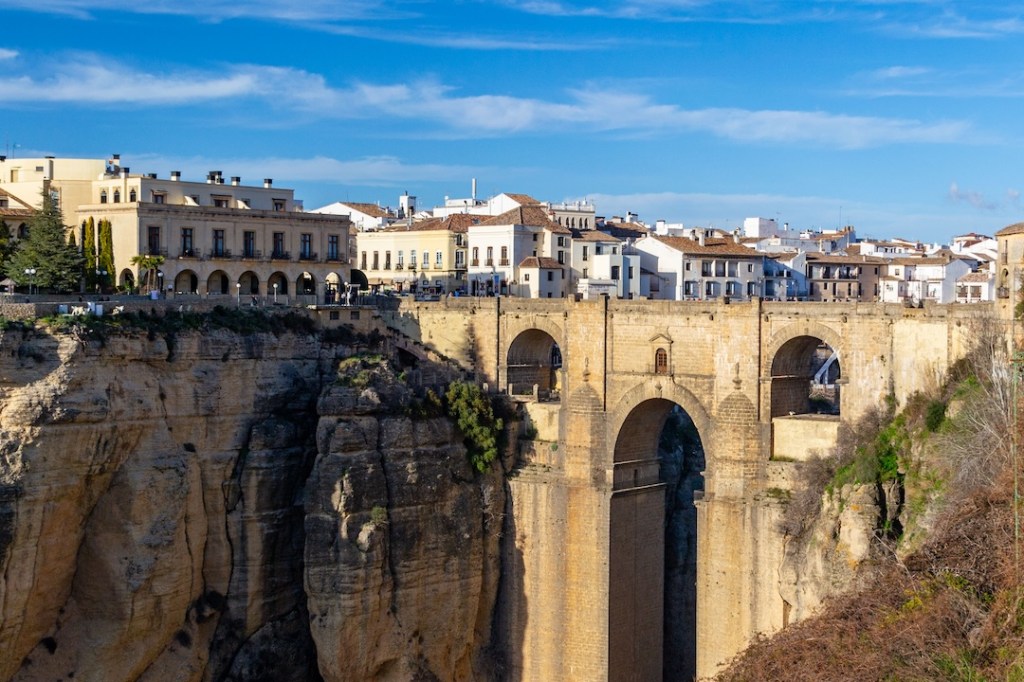
In the 16th and 17th Century, Spain was a powerhouse, maintaining the largest global empire of that period and reaping massive wealth from the Americas after the Conquistador expeditions and the colonisation of the Philippines, Guam and various parts of North Africa and the Caribbean. It’s always worth pointing out that at the battle of Trafalgar, Nelson fought the combined fleets of both France and Spain. My other favourite little known historical Spanish fact is about New Orleans. This city, and the massive American real estate involved in the Louisiana Purchase were originally Spanish, before it was ceded back to the French who sold it in short measure, to America. The world famous French Quarter architecture in New Orleans isn’t French – It’s Spanish. Think of the number of Spanish named states, towns and cities in the USA. There’s a reason for that. Spanish is now the second most spoken language in the world (Mandarin Chinese, since you ask, although English wins if you count second language speakers).
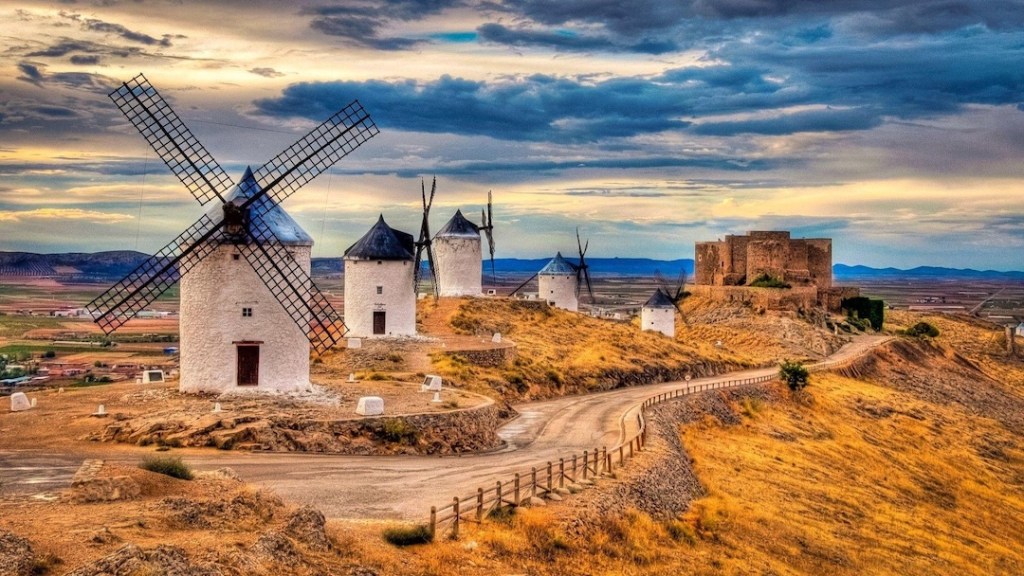
You might never know about all this if you remain poolside on your sun-lounger on the coast. Head inland and North and you start to learn about the real Spain. Great Rail Journeys offer approximately 14 Escorted Tours to Spain, including three luxury trains and a river cruise, so you are spoilt for choice. At least four of them explore the Basque Country (País Vasco), a fascinating blend of French and Spanish culture that lies in the border region. This area is foodie heaven and the Town of San Sebastián, near Bilbao has a total of 18 Michelin stars spread amongst 10 restaurants within 25 kilometres of the town (Three of them have 3 stars!). While we’re on the subject of food… Spanish food is amazingly diverse by region and overall, probably my favourite – or if not, up there in the top three in the world. The seafood is exceptional and they can make more from a pig than almost anybody else. Most people know about Tapas, the small snacks that are served (sometimes for free) with drinks. In the North they are known as ‘Pinchos’ or more commonly ‘Pinxos’. They were originally a slice of bread that covered your drink to keep the flies out. After a while, people put stuff on the bread and it became a thing in its’ own right. To get the most out of Spanish food, it helps if you like Olive Oil and garlic. You can get along without these, but they make many dishes sing. Whichever town or city you find yourself in, a visit to the Central Market is a ‘Must-Do’. Rows of suspended Serrano Hams, acres of fresh fish and racks of fruit and vegetables that actually taste as they should. The best Tapas in town will always be at the Market, however the best restaurants are usually found near either the railway station or the bullring.

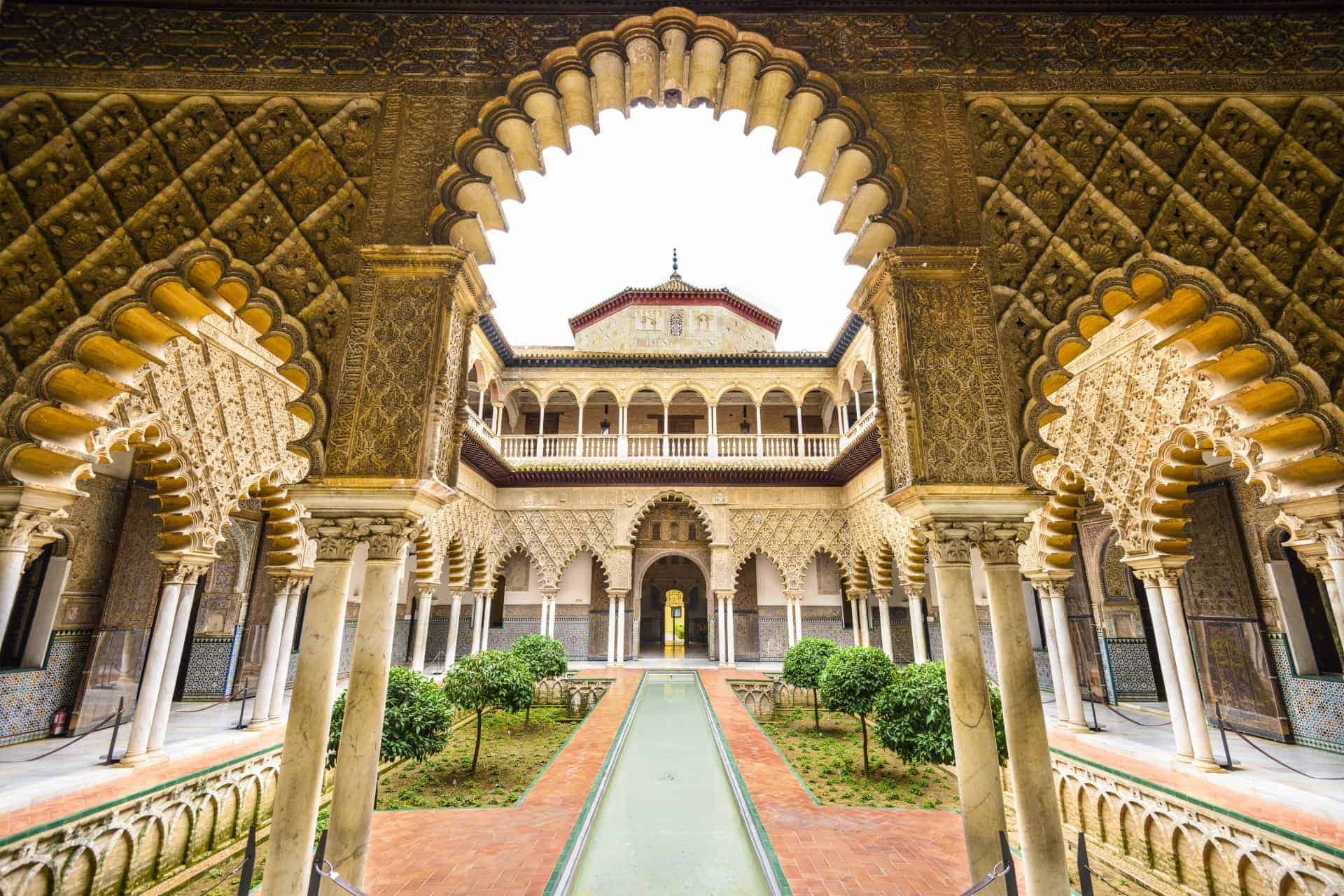
I have a confession to make at this point, a dark secret. I’ve visited Catalonia and Barcelona many times. For me, both are over-hyped. Yes they are fascinating, and beautiful; the Sagrada Família is extraordinary especially inside at sunset. Las Ramblas is a lovely walk and the Catalán Coast is beautiful. It’s just that I’m more of an Andalucía man, myself. The white village houses clustering on craggy hills baking in hot sun, the palm trees and strong Moorish influence, Snow on the mountain backdrop, Flamenco and chilled dry sherry (Spaniards only drink dry sherry – Fino or Manzanilla, regarding the medium and sweet varieties as muck to be exported for foreigners). Seville has a special romantic feel that I’ve encountered nowhere else. Granada is underrated and Cordoba is just plain prettiness incarnate – The Spanish poet Federico García Lorca described it as “Lejana y sola” – Distant and alone. The Moors withdrew from Spain slowly over a period of 800 years with the South, the region of Al-Andalus being the last area to be reconquered by Christianity in 1492. This Reconquista is still celebrated throughout the country, in large cities through to small towns where people dress as Moors & Christians and with the help of parades, fireworks, music, alcohol and occasional fisticuffs, the primacy of Catholic Christianity is reenacted. The Moors left an architectural heritage which makes southern Spain unique. The Alhambra and Mezquita are just two magnificent examples, but you can see that heritage in all the horseshoe arches, road gardens, small fountains and arabesque motifs found throughout the region. GRJ have two tours that will help you discover this region, Treasures of Andalucia or the Classic Tour, Historic Cities of Spain. At this point, I’ll also give a shout-out to one of my personal favourite Tours, Magnificent Morocco & Moorish Spain. After time spent in Barcelona & Seville you hop over on the ferry to Morocco and track down through the country, finishing at Marrakech.
I’m going to finish by recommending my favourite Spanish Tour but I’m going to cheat a little bit, because it actually includes Portugal as well. What more could you ask for? The Tour is misleadingly named Portugal & the Douro, but it includes time in the simply gorgeous university cities of Salamanca & Valladolid, both of which are off the tourist trail. It finishes with a couple of days in San Sebastián in the Basque Country. If you’re interested, I’ll be taking this tour on the 08th June 2025 (Hooray!). We’ll also be visiting the lovely cities of Porto & Lisbon and you’ll get many opportunities to learn more about (and taste) Port wine. I love Port, and it breaks my heart (really) when I see people only buying it at Christmas and then pouring it into a Stilton Cheese – the only certain way of destroying the carefully crafted flavour of two things at once! There are many different kinds of Port wine, including dry white and rose varieties. It became popular in Britain during the 18th century when we no longer had easy access to French wine (we were at war with them, as usual) and because it was fortified it could survive the longer sea journey to Britain.

In conclusion, maybe this is a good time for you to reconsider Spain as a destination, one that is apart and distinct from swimming pools and Sangría jugs


