There’s a silly game that I play in my head sometimes. I imagine that I wake up one morning and discover that overnight, Britain has become North Korea (don’t laugh). I have to up sticks and live somewhere else. But where? Where else could I live happily and well? The list is depressingly short, but interesting: Denmark? Portugal? Canada? Switzerland? Norway? Singapore? India? Vietnam? Always first, or at least near the top lies New Zealand.
So… Why? What is it about these remote islands in the South Pacific that makes them so attractive? They certainly are remote. The nearest landmass to NZ is Australia (Delightfully, known to Kiwis as “The West Island”), and that’s about 4 hours flight time from Auckland. It’s not much further to Antartica. The 45th parallel runs through Queenstown on the South Island. From there, you can travel East or West around the globe and the only bit of land you will come across is the very southern tip of South America.
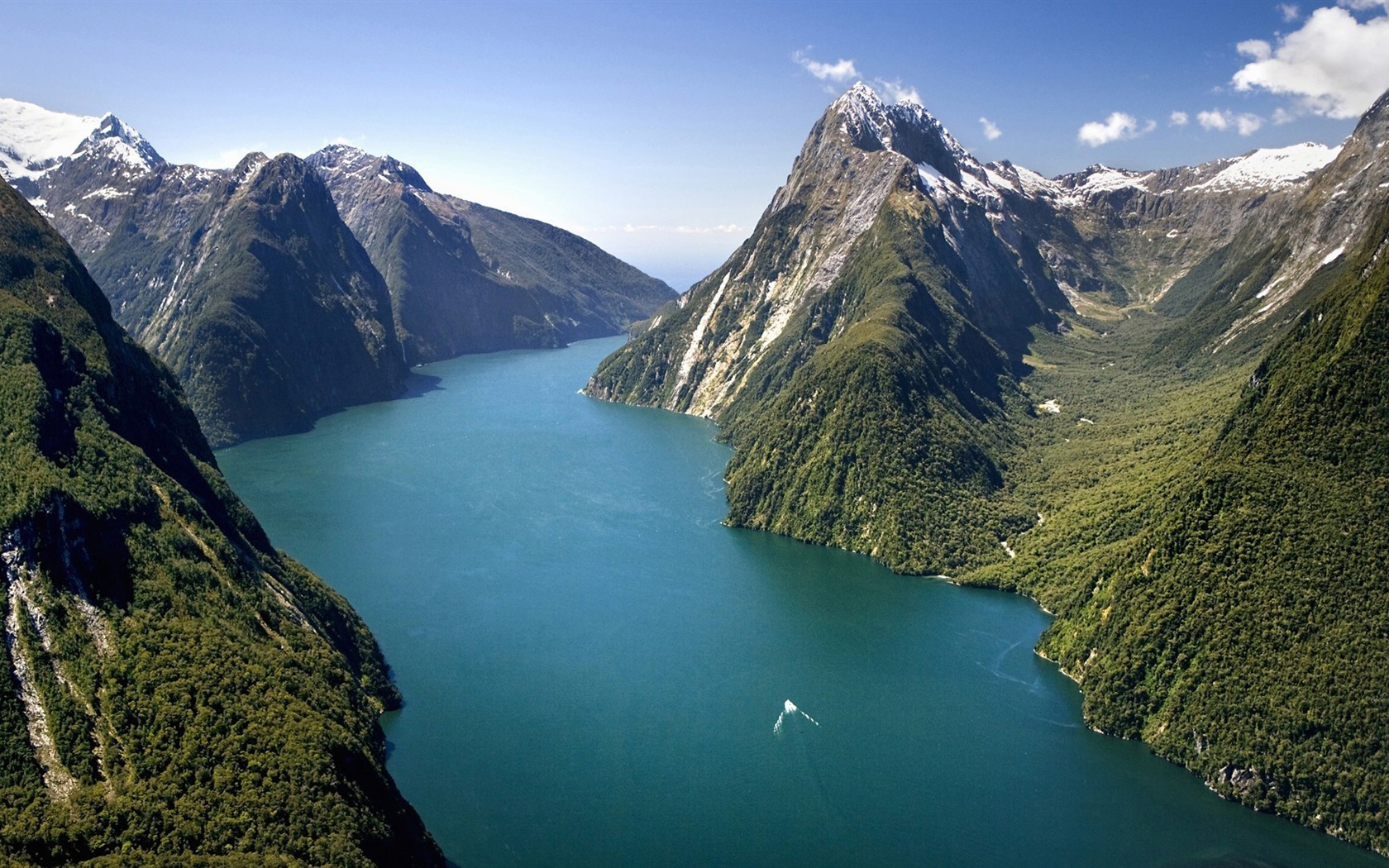
New Zealand & Australia are not only separate but Mother Nature is relentlessly working on moving them even further apart. Like two halves of a bread roll being pulled apart, the tearing and shearing of the tectonic plates makes New Zealand a fascinating area for seething and bubbling volcanic and seismic activity. Indeed, the whole place is the newest major landmass on the planet. Geographically the North and South Islands are very different. The North is a subtropical climate with more geothermal activity, whereas the South Island is cooler and has an Alpine spine.
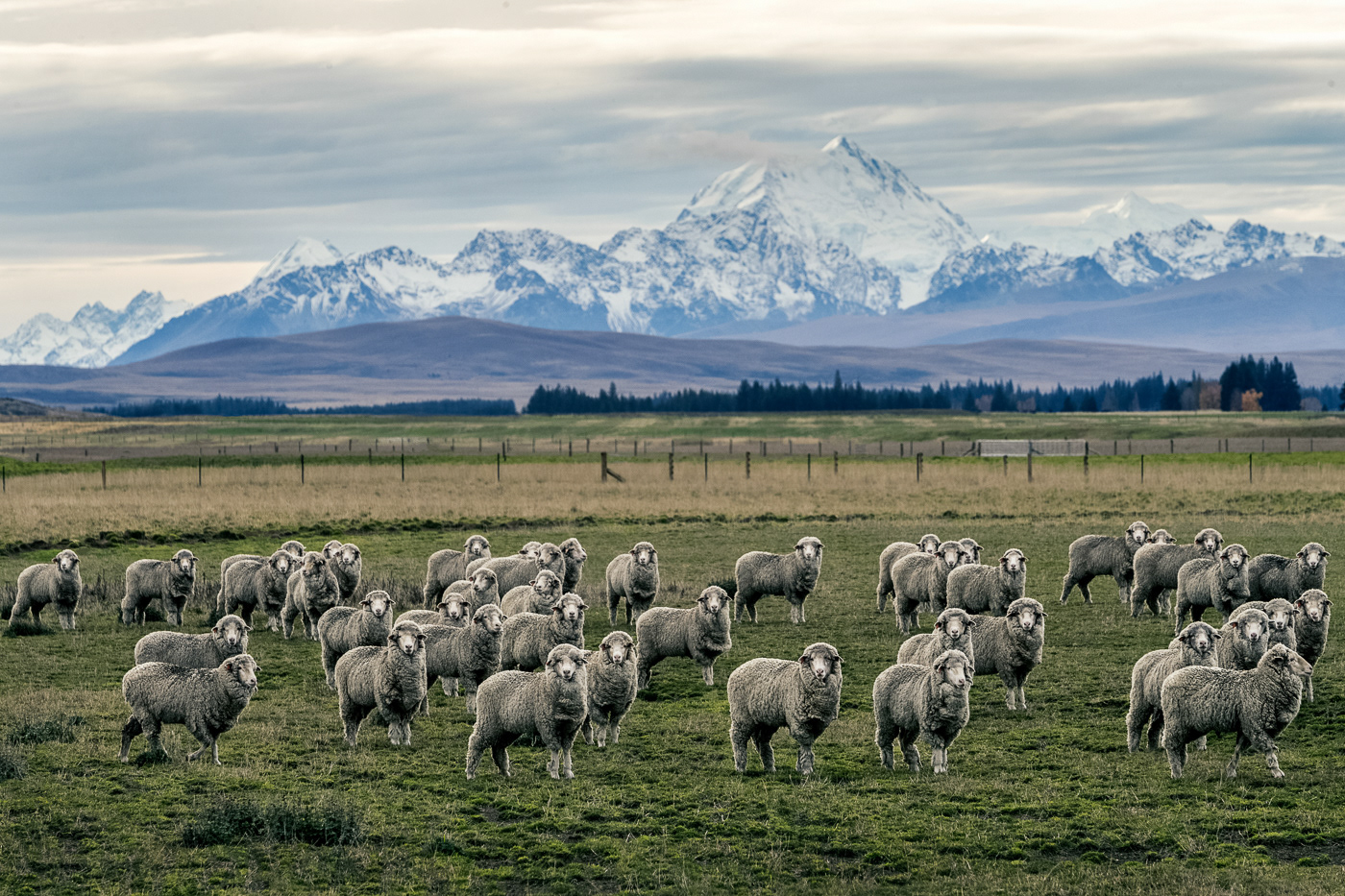
New Zealand has a population of just over 5 million people. Half of them live in the 3 largest cities in the (Auckland, Christchurch & Wellington) which leaves 2.5 million people to cover a country slightly larger than the UK and about the same size as California. There are 6 times as many sheep and cows as people in New Zealand. If the animals ever get together and rise up, Kiwis are in trouble.
As I write this Blog post, I’m in the middle of taking my group round the Grand Tour of New Zealand. I’m writing and editing little bits day-by-day as the Tour progresses. Today I’m on a balcony in Queenstown watching the sun set behind the snow-capped mountains overlooking Lake Wakatipu. My clients have been on a Free Day today and have used their time travelling up a mountain on a Gondola, riding in a Jetboat (invented in NZ), zip lining, paragliding, walking around and swimming in the lake and enjoying a cool glass of local wine. Not bad for a group of Senior Citizens! The tour takes in the length and breadth of New Zealand, pretty much top-to-toe. We’ve been warmed by the sun in the Bay of Islands and chilled by the Alpine glaciers.
So, returning to my theme, what is it about this extraordinary country that makes it head my list of desirable places to live? Mostly it’s the people (I’ll get to them in a minute) but also, and I have to be careful how I phrase this… It feels a little like the Britain that I grew up with, and still recognise from memory, but done better, with climate and scenery that take the breath away. To us Brits, the scenery is exciting. One minute you are passing through apparently limitless bucolic pasture land, grazing sheep and cattle, tractors, cafe billboards for bacon and egg breakfasts with pots of tea and cake on roads named after British Prime-Ministers and Generals – and then suddenly there’s a forest of palm trees and tropical plants, the song of the mischievous Kea (Alpine Parrot) and a Māori Marae (Meeting House) – and then it is back to neo-Hampshire. It’s all familiar, until it isn’t. If you want a rural, agricultural life, NZ will do that, but if you want to hike in the mountains, cycle in a rainforest, shop in a modern city or swim on a deserted beach, it will do that too. The Māori are responsible for many of the differences; they bring a touch of the exotic to neo-Hampshire. Their language and culture are gradually blending in with New Zealand life to a greater extent than ever before. The often used (but not official) name for the country is Aotearoa, the “land of the long white cloud” and you can expect to be greeted warmly with a cheerful Kia Ora by almost everybody. The Māori are always around somewhere as they form 17% of the population, and often wear a striking and solemn dignity, until they start laughing – and that brings me round nicely (see what I did there?) to the Kiwis themselves, the people of New Zealand…
:max_bytes(150000):strip_icc()/GettyImages-1153411301-d22d290601cf4778975e7e7b12433fdb.jpg)
I imagine that there must be snobbery, vanity, wilful ignorance, class war, greed and pomposity somewhere in New Zealand society, after all these are common human frailties. They must be there, it’s just that despite looking, I can’t find them. It’s as simple as that. New Zealand was the first self-governing country in the world to give women the right to vote, the first country in the Asia-Pacific region to legalise same-sex marriage and has universal healthcare, free education and comprehensive social welfare programs. It is ranked 3rd in the World Freedom Index just behind Thailand and Switzerland (Britain comes in at 20th, while Syria languishes at 165th – sorry Syria).
Routine courtesy is widespread and expected. Formality is almost entirely absent; pretty much everybody seems to wear shorts and T-shirt with Jandals (Flip-Flops) as standard uniform. There is a relaxed feel to almost every activity, and airs and graces are frowned upon.
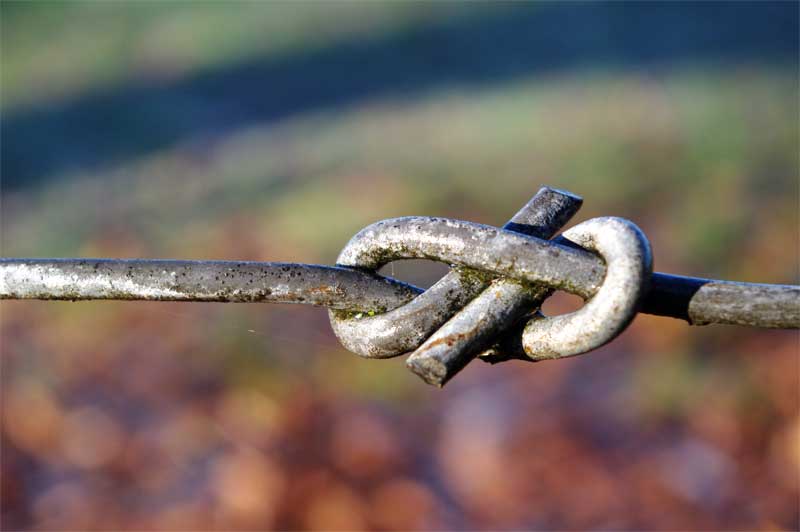
But here’s the thing. Don’t think for a moment that relaxed results in casual performance or service. Kiwis are adaptable, innovative and professional. Underneath that easy going exterior is a steel core of practicality and hard work as an ethic that applies to women as much as men. Kiwis are famous for their ingenuity and self-sufficiency – all they need is ‘a piece of Number 8 wire’. No 8 wire is a gauge of wire that was used originally as fencing wire but came to be used for a multitude of other unexpected things, and in doing so became a symbol of kiwi adaptability, ingenuity and self-sufficiency. Give a Kiwi a bale of No. 8 wire and he or she will repair anything and build a bridge with what is left. I met up with friends, a Kiwi couple who were clients on a previous tour.
The always energetic and delightful Stuart & Janice live just 10 minutes from the Glenbrook Vintage Steam Railway that we ride on during this tour. Stuart has a bewildering range of business interests that range from making Panko breadcrumbs at industrial scale, Biogas from food waste, and he is also responsible for driving forwards a major new mainline steam and truck museum at Mercer, just south of Auckland. I hope to visit this facility on future tours. Their latest business enterprise is in Horse Cremation and if that isn’t Kiwi innovation, I don’t know what is. It’s apparently going very well.
New Zealand feels to be a very young country in many ways. Young people arrive here on the generous 1 year working holiday visas and have come from countries all over the world to enjoy the relaxed freedom and healthy environment of this remote nation. Young Kiwis also travel extensively on what is known as their Overseas Experience, a Big OE, usually for a year or more, gaining work and life experience and a wider outlook and often, a pilgrimage to the Gallipoli battle site. This process is valued by NZ companies and professionals, amounting to what is effectively a work qualification. You’ll find them pulling pints in a pub near St. Pancras station, cleaning your hotel room in Venice or driving a bus in Switzerland, and always with a cheerful smile and buckets of optimism.
So, as I sit here rewriting, editing and correcting the text above, I’m feeling the need to draw these thoughts together and summarise. This is one of the most extraordinary places on our tiny planet spinning through space. Its’ isolation provides a plethora of unique vegetation and wildlife that is found in few other places. Its’ geography and geology stop you in your tracks and make you sense the hand of God, whoever that may be. Its’ people charm and enthuse you. In my next life, I want to be a Kiwi.
The Best Kiwis
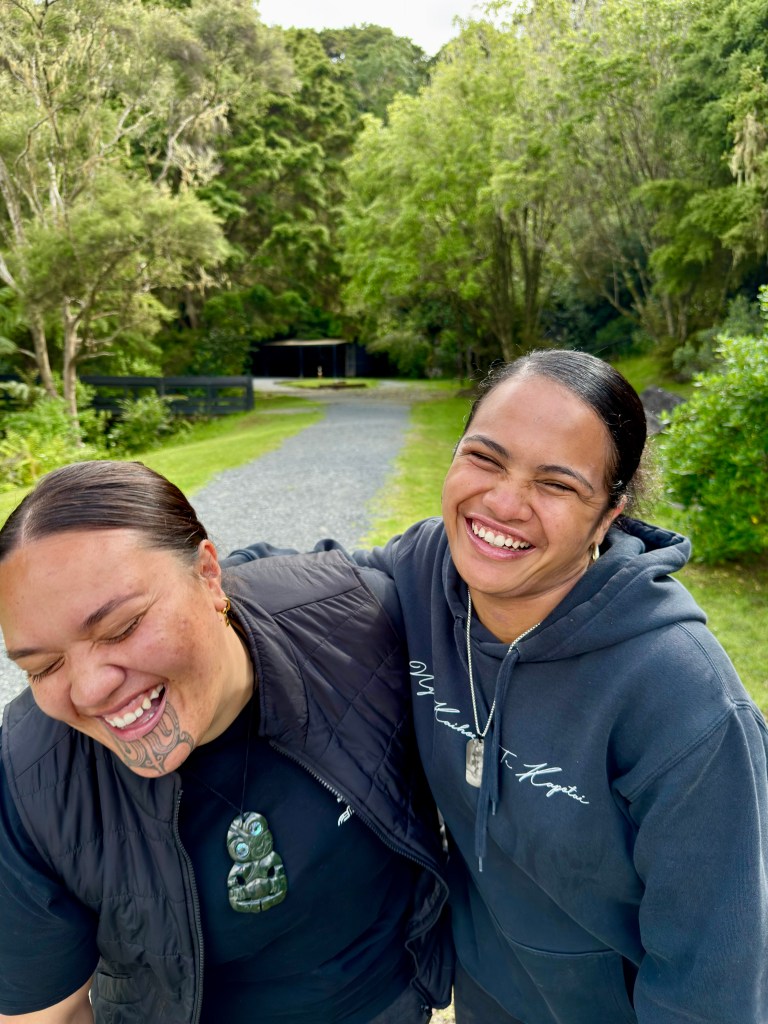
Te Paihere and Phoenix. They work at the Kawiti Glowworm Caves in the Waiomio valley, that we visit. The Glowworms cluster on the limestone cave ceilings in dazzling constellations, seeking to attract insects. The brighter the glow, the hungrier they are. These two ladies were our delightful guides and they are descendants of the original Māori family land owners. Te Paihere has on her chin the Moko Kauae, a chin tattoo that represents a woman’s mana (status or power) and her whakapapa (ancestry and forebears) in society and the mana of her iwi (tribe). Each chin tattoo is voluntarily applied, at any age and is unique. It tells a story about its’ owner.
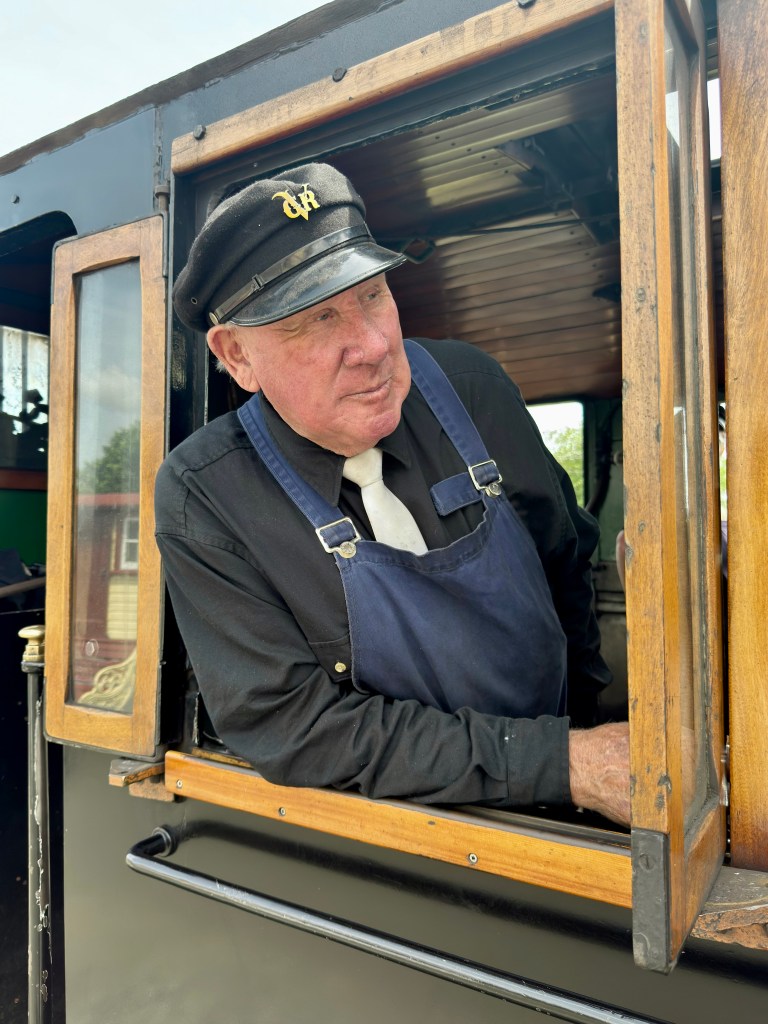
Phil Waggoner is an Engineer/Driver on the Glenbrook Vintage Railway just South of Auckland. He’s been working on New Zealand’s railways for over 50 years and was rewarded with his steam license in 2004. He’s 100% pure Kiwi and makes a point of wearing a white neck tie on every day that he works steam. Steam and white aren’t usually a good mix, especially for engineers.
His name may be Phil, but to everyone he knows and meets, he’s known as “Tea-Pot”.
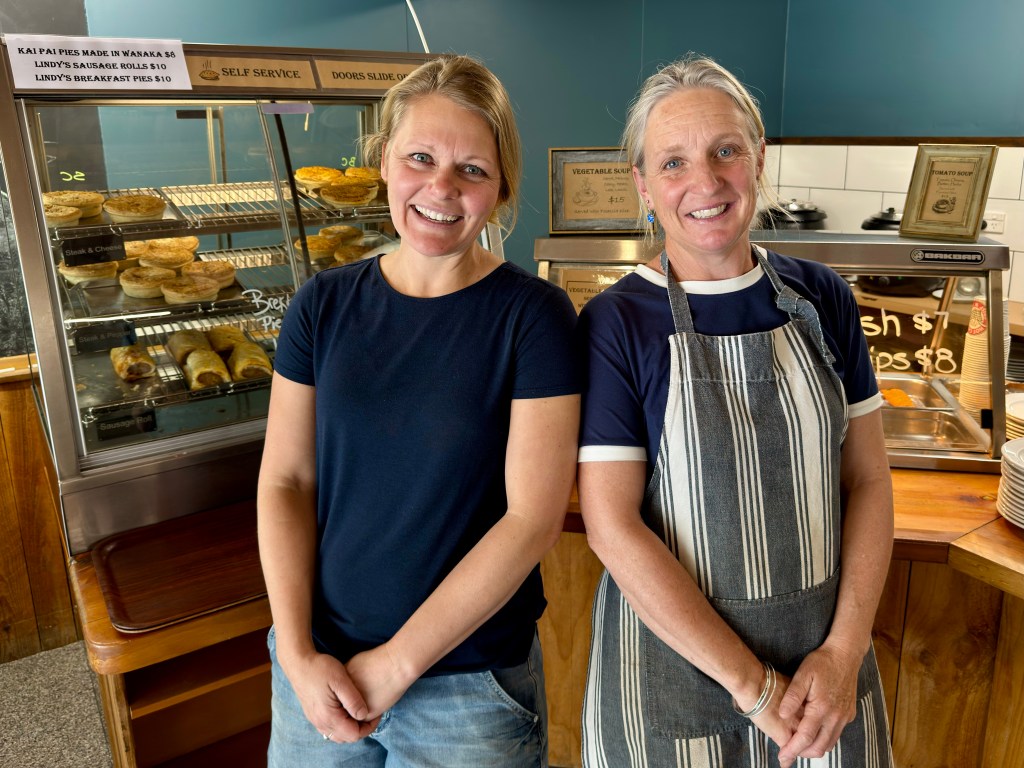
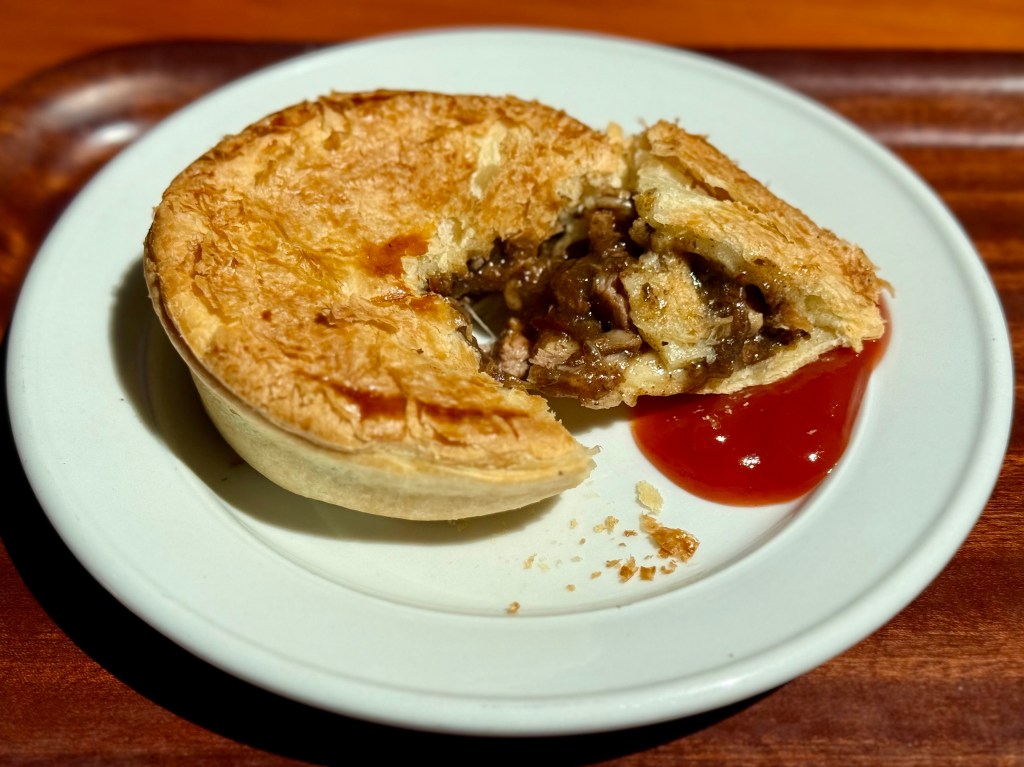
Nicole & Rachel work at the Country Café in Makarora, South Island. They sell pies. What you may not know is that Pies are an essential part of Kiwi culture (Kiwiana) and are omnipresent, in every town or city, usually in a bakery. Pies are savoury, not sweet, and contain all kinds of fillings, both meat and vegetarian. They are the ideal size for lunch, not too big, not too small, and there’s something profoundly heartening about the combination of flaky pastry and juicy filling. You can eat them with knife and fork, but it’s so much better eaten with one hand. Be warned, the first bit seems pleasant and innocuous, but on subsequent mouthfuls you will encounter the filling which can be the temperature of molten lava. Always blow on your pie.