

Italy – “Il dolce far niente”
“Il dolce far niente” translates approximately as “The sweetness of doing nothing”. For me, this saying encapsulates everything that I most love about Italy, at the same as it is the thing that can drive you the most crazy as a Tour Manager, trying to get things done! Life, for the Italians, is to be enjoyed, wherever and whenever possible. Take your pleasures as the opportunities present themselves. That’s not a bad way or working your way through the trek from cradle to grave. It dovetails perfectly with the other great Italian philosophy – “La dolce vita”, the “sweet life” and embodies savouring beauty and simple joys, such as enjoying coffee culture, good wine, the company of friends and family, valuing quality over quantity and generally adopting a slower, more fulfilling pace of life. Truth be told, both phrases are more used by foreigners than Italians. Italians just instinctively feel and know them, and don’t need to explain or discuss. It can take a while for those of us from Northern European and American nations with our more time-sensitive and driven cultures to get used to all this. It’s always worth trying though, especially as when you’re there, Italy will always win in the end.
I have three Tours to Italy this year and it occurred to me that it might be helpful to pass on some of the most common tips, hints and suggestions that I have found useful for my clients in the past. As I read through the list, it’s remarkable how many seem to involve food and drink! I can’t imagine why…
- Where to Eat?
There are many different kinds of Bar and Restaurant in Italy, with varying levels of formality and service. You don’t go to a “Ristorante” and order just a beer. Here are the names, ranked in order of formality:
- Ristorante – Full service dining, possibly international
- Trattoria – Traditionally family-run, simpler and more affordable Regional Food
- Osteria – Local wine and unassuming regional dishes
- Pizzeria – Table service, a menu, and a “Pizzaiolo” (pizza chef)
- Tavola Calda – Hot & Cold Regional food, often taken away to be eaten
- Agriturismo – Rural, often a farm, serving home-made local dishes
- Enoteca – Specialising in wine but may also serve food.
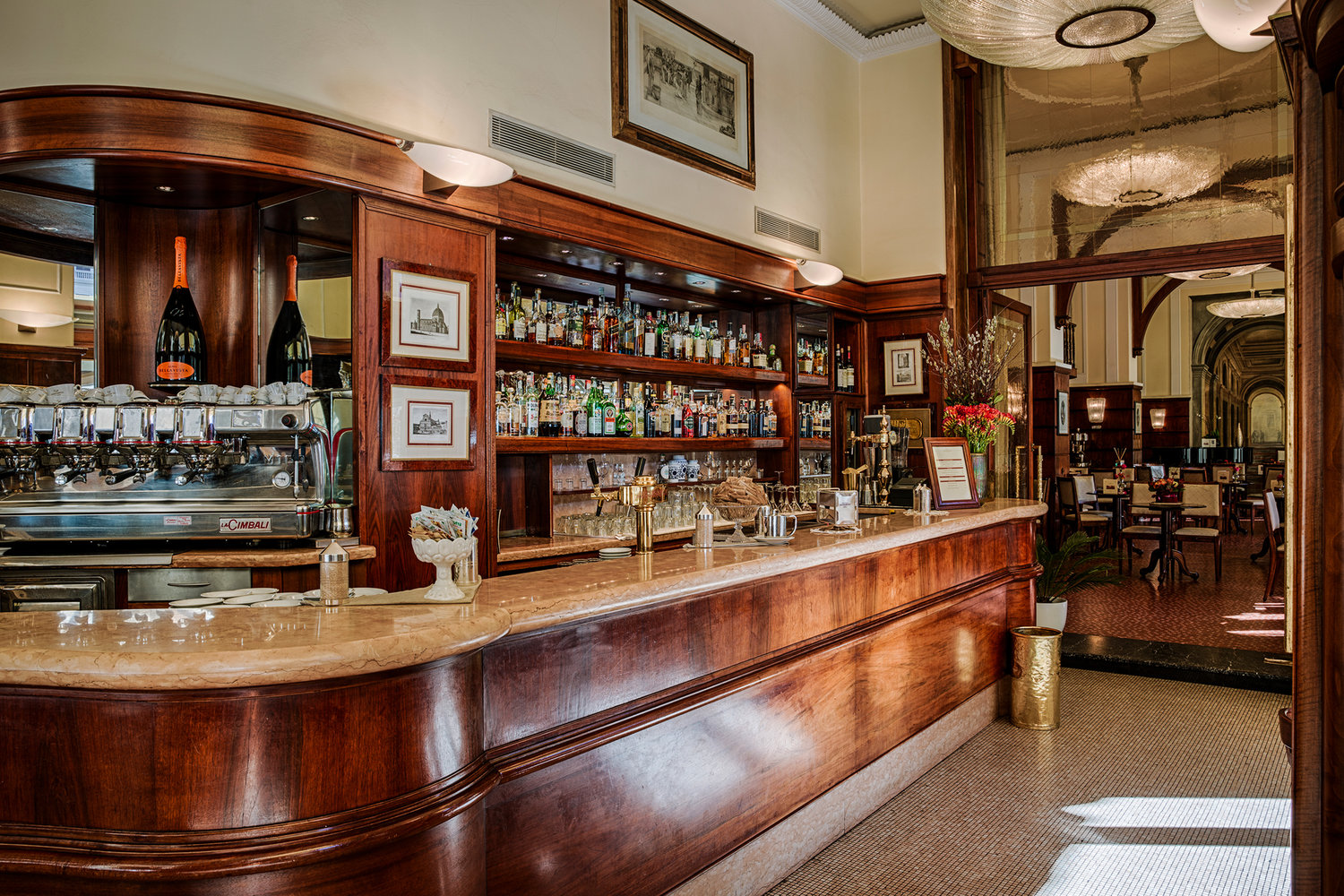
- Bar – Coffee and alcohol, possibly with a few light snacks
Italians tend to eat in the evening after 7:30pm and often at around 8:30pm. If you eat earlier, expect to sit in an almost deserted restaurant.

- What to Eat?
When eating out, don’t feel obliged to order every course – an Antipasto (starter), Primo (first course, often pasta), Secondo (second or main course, usually meat or fish) with Contorno (side dish), and Dolce (dessert) is a lot of food. Pick and choose as you please.
There are some rules that will avoid you being marked as a Tourist. Please, please, don’t ask for pineapple on your pizza. Ever! Spaghetti and similar long pasta is never eaten with a spoon, or worse, cut up with a knife. Just twirl and slurp and wear a napkin over your shirt front! Also Pasta Alfredo doesn’t exist, in Italy, nor do Chicken Parmigiana, Italian dressing or Spaghetti and meatballs. Spaghetti Bolognese is not an Italian dish (The closest thing to it is a Ragù inNorthern Italy). Please don’t put Parmesan cheese on seafood pasta, they don’t play nicely together. It’s always best to try and eat regional or local specialities, so probably best not to order Risotto Alla Milanese in Naples; Tagliatelle and Tortellini are from Bologna, Cannoli from Sicily, Pasta all’ amatriciana and Carbonara are from Rome and Pesto Genovese from the province of Liguria.
Finally, don’t be afraid to “Fare la Scarpetta”. You’ll nearly always be served bread with a meal. Use it to mop up the last remaining juices and sauces off the plate (just, maybe not at a Michelin starred restaurant).

- What to Drink?
Although Italian tap water is perfectly safe to drink, nowhere in Italy will serve you a glass of it. Instead they will offer bottled water, Naturale (still) or Frizzante (sparkling) and you will pay for it. That’s just how it is. Italy has a network of public drinking fountains, especially in older towns and cities. These are called Nasoni in Rome or Fontanelle in other parts of Italy.
Wine is wine and therefore hard to mess up. Always order the local variety if possible. Wine from the slopes of the volcanoes at Etna and Vesuvio is exceptional.
Oddly, ice is viewed as a sort of optional luxury in Italy. You will often get none, and if you ask you may get a cube or two only. Sorry.
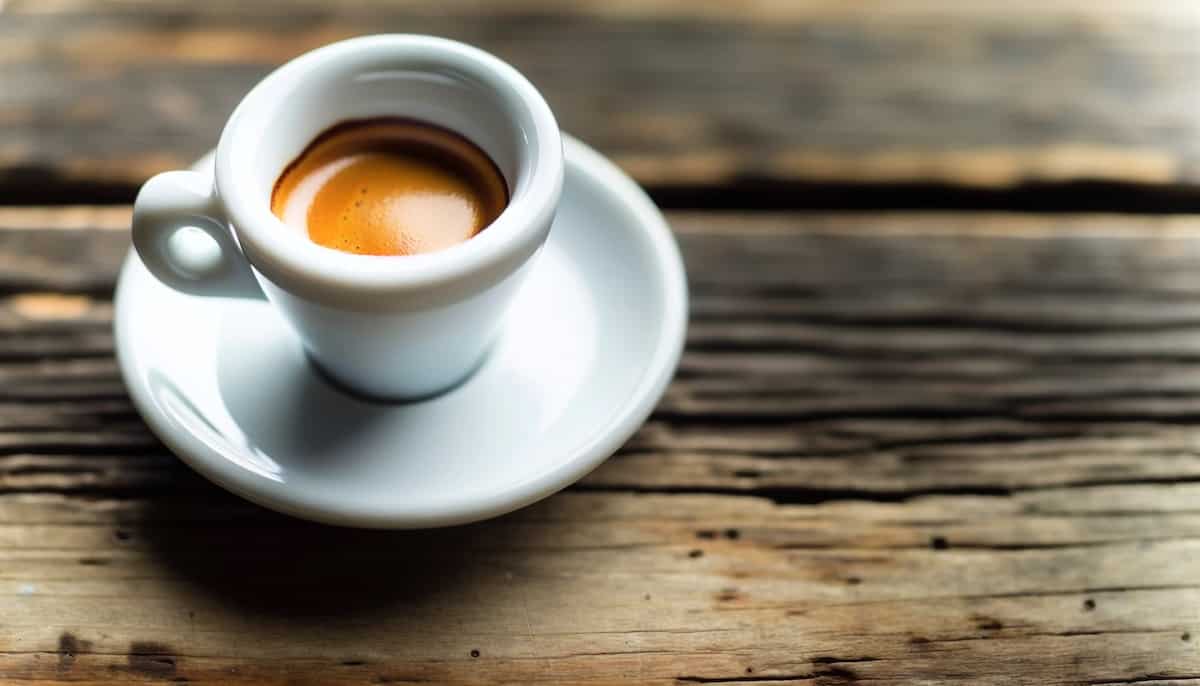
If you order Caffe in Italy, you will receive an espresso (small, black and very strong and traditionally drunk standing up at the bar); asking for an Americano will get you a medium sized black coffee. For white coffee, you should order either Cappuccino or Caffe Latte. Italians only drink coffee with milk in the mornings and NEVER after a meal. It’s probably best not to ask for a “triple half-caff, low-fat, no foam latte with a caramel drizzle” or anything like it unless you are looking to be disappointed.
Tea drinkers will find life a little more complicated! Ask for Una Tazza di Tè and specify Con Limone (lemon) or Con Latte (milk) however remember the linguistic trap… Caldo means hot, not cold, whereas Freddo means cold.
Italian Grappa spirit is a by-product of wine making. It is ferociously strong and worth a try, but maybe at the end of the day, rather than at lunchtime. Cafè Corretto di Grappa means an espresso coffee that has been corrected for the absence of Grappa by the addition of Grappa and is an effective way to start your personal engine first thing in the morning.
- Other Stuff..
- The Riposo & Ferragosto – Outside major metropolitan area, may businesses and shops close down for a period in the middle of the day (typically between 1 pm and 4 pm) to relax, have lunch with family, and nap – a sort of Italian Siesta. Italy is a largely Catholic country and traditionally, many businesses and shops in Italy are closed on Sundays, especially smaller, family-owned stores and in rural areas. Ferragosto refers to the Italian practice of shutting down almost everything during the month of August. Many Italians use this period for vacations and will head to the beaches or mountains.
- Tipping – How much to tip when out and about in Italy? The answer is… not much! For drinks it is normal to round up the small change i.e. €1.60, just round up to €2. In restaurants, €1 – €3 per person is sufficient. As a rule, you should never leave more than a 10% tip, and frankly, leaving 10% would be exceptional, and rare. Be aware when eating that when it is time to pay a “Coperto” will be added to the total, usually around €1 – €3 per person. It’s a Cover Charge that allows for the bread, silverware, plates, and tablecloth cleaning. You can’t get around it so just get used to it.
- Toilets – Most public toilets in Italy are chargeable (usually €0.50 – €1.50) so hang on to those coins as they may be useful. Toilets in bars and restaurants may be used, and are often the best option, but you will usually be asked to buy something (an espresso coffee is usually about €1.30. Unexpectedly, Italian toilets are usually pretty poor, even in the better establishments. Bizarrely, toilet seats are an endangered species outside of your hotel environment.
- Shouting & Queuing – Italians tend naturally to discuss things at high volume and intensity. It may sound like a fight is about to break out but they’re actually just chatting about football or the cost of living. Italians don’t queue, or at least, not in a way that we would recognise. If you just politely wait around for your turn you’ll get nowhere. It pays to be reasonably assertive to avoid going backwards
- Cheek Kissing & Ciao – If you’re going to walk through this minefield, remember that there’s no actual kissing involved, it’s more of a light cheek touch, once each side (but only the lightest of touches, not a face-butt!) It’s usually performed by people who know each other well, rather than with complete strangers who may be alarmed if you advance towards them unexpectedly. It’s usually safest to let the other person take the lead and then go with the flow. Ciao means both “Hello” & “Goodbye” which is handy, but there is a right and wrong context for use. It is a very familiar term, used with close friends and family. When talking to everyone else it may be better, initially at least to use more formal terms. For greeting, try Salve or Buongiorno and for farewells, use Arrivederci.
- Kids & Dogs – Both are present everywhere in Italian life, including shops and restaurants and are loved and usually admired and played with by complete strangers as well as their parent/owner. A new baby arrives in a bar? Forget getting served anything until the admiring fuss has died down (could take a while). If you’re a believer in the old adage that children should be “Seen and not heard” then Italy just isn’t for you. Dogs can often be found lying under cafè tables or being taken during an evening passeggiata (stroll). Their owners may not be diligent about picking up after them.
- La Bella Figura – The art of living beautifully, and looking beautiful while you do it. It is about being well-groomed, stylish, and exhibiting good manners and etiquette. It’s about self-respect and presenting the best version of oneself to the world. Italians seem to have an astonishing ability to always dress with style and be immaculately groomed. When I was Cabin Crew this used to drive me mad on the short flights to Italy. There were we in our polyester, ill-fitting uniforms, sweating in the galleys looking as elegant as a used Kleenex. And then there were the Italian passengers, who never sweat, have frizzy hair or running makeup or have hair out of place. You may be tempted to hit the high fashion stores in Milano or elsewhere in a bid to emulate this elegance. Don’t. It’s a genetic thing and you won’t carry it off. Trust me on this. It will be mutton dressed as lamb. Just accept the fact that we’re British and weren’t designed for that sort of thing.

So there you have it. You now have enough information to enjoy your Tour in Italy without the Locals falling around in hysterics at your antics and requests. I love my Italian Tours – the noise and chaos, dogs, babies, nuns, tiny cars, insane parking – all of it. I have one of my favourite Tours later this Summer, Top to Toe of Italy, where we travel the length of the country, starting in Turin and finishing in Sicily. Join me, why don’t you?


