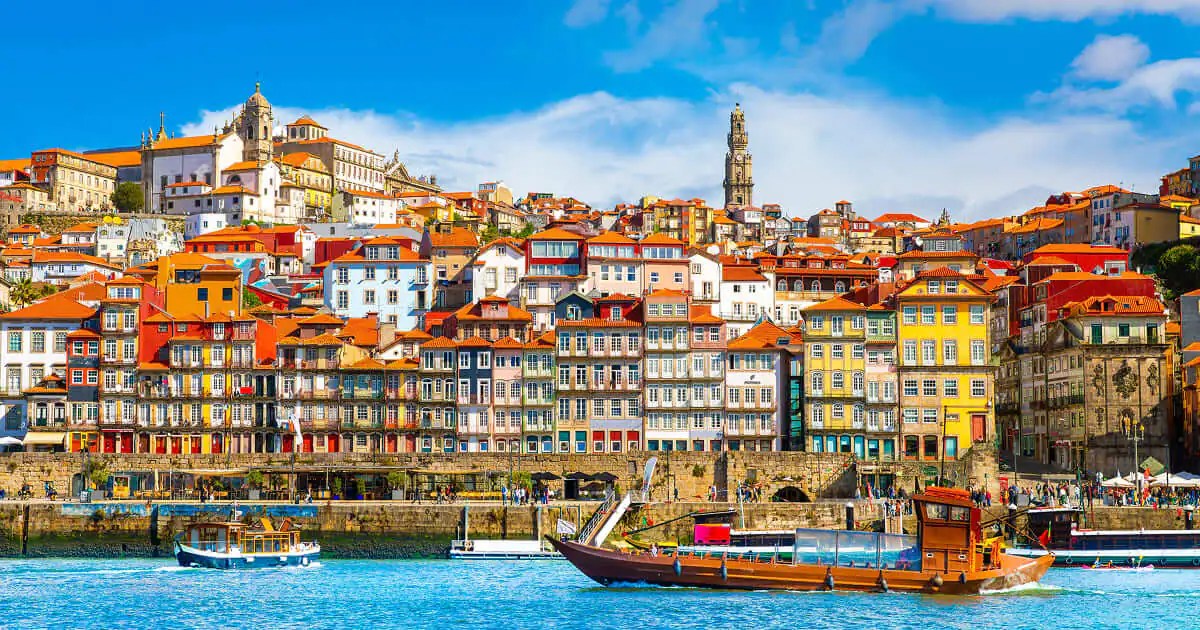
It’s easy to forget about little Portugal. On the Western edge of Europe, enveloped North and East by Spain and on the West and South by the Atlantic. It has a population of just over 10 million, and about 45% of them live in the two biggest cities, both coastal; Porto in the North and Lisbon in the middle. For the British, the best known area is probably the Algarve coast and city of Faro in the South, which are very pretty, but more geared towards Beach, Golf and Villa holidays. If you do forget about Portugal, you’re missing a trick. It is a beautiful and charming country that quietly works its’ way under your skin and into your heart – a medically challenging metaphor, but you know what I mean.

Many people don’t realise how important a historical role Portugal played in the development of our modern world. Portugal was a global maritime power during the 15th and 16th centuries. In 1522 Ferdinand Magellan was the first person to circumnavigate the world and in 1498 Vasco de Gama was the first European to reach India by sea. Prince Henry the Navigator funded and planned Portuguese expeditions, establishing Portuguese colonies around the world. The Azores, Madeira, and Cape Verde Islands in the Atlantic; Angola, Mozambique, Ghana and more in Africa; Goa, Macau and Indonesia in the Far east and of course Brazil (They’ve Got an Awful Lot of Coffee in Brazil).
I’ve just returned from taking one of my favourite Tours, Portugal, Spain & the Douro. It’s been a timely reminder of how much I like the place. It’s an especially interesting country to visit for British clients – here’s why…
Portugal is a Latin, largely Catholic country, but it runs at a much lower intensity of life than some others. If we imagine Latin countries as being a water boiler then we might decide that Italy bubbles along just short of boiling at 95 degrees centigrade, Spain simmers at 80℃, with Portugal sitting quietly at about 60℃. Yes they have festivals, celebrations, religious parades, and all the rest but they seem to do it all without the wilder excesses of other countries. Portugal is not extravagant, except in the beauty of the scenery and the warmth of its’ people.
Another bonus for the British is the climate. A friend of mine lives there and describes it as a “…cold country with a warm climate”. Officially, this is described as being maritime temperate; cool and rainy in north, warmer and drier in south. In Spring and Autumn British clients can safely explore without dissolving into a seething mass of sweat and sunburn. It is pleasantly warm. That said, in peak Summer it will cheerfully get very hot and if you’re in Porto in the middle of Winter you’ll know about it pretty quickly.
Historically, Britain and Portugal have close ties. The two countries have had an alliance since 1373, the oldest diplomatic pact in the world still in force. They like us and we like them – that’s a pretty good place to start a holiday.

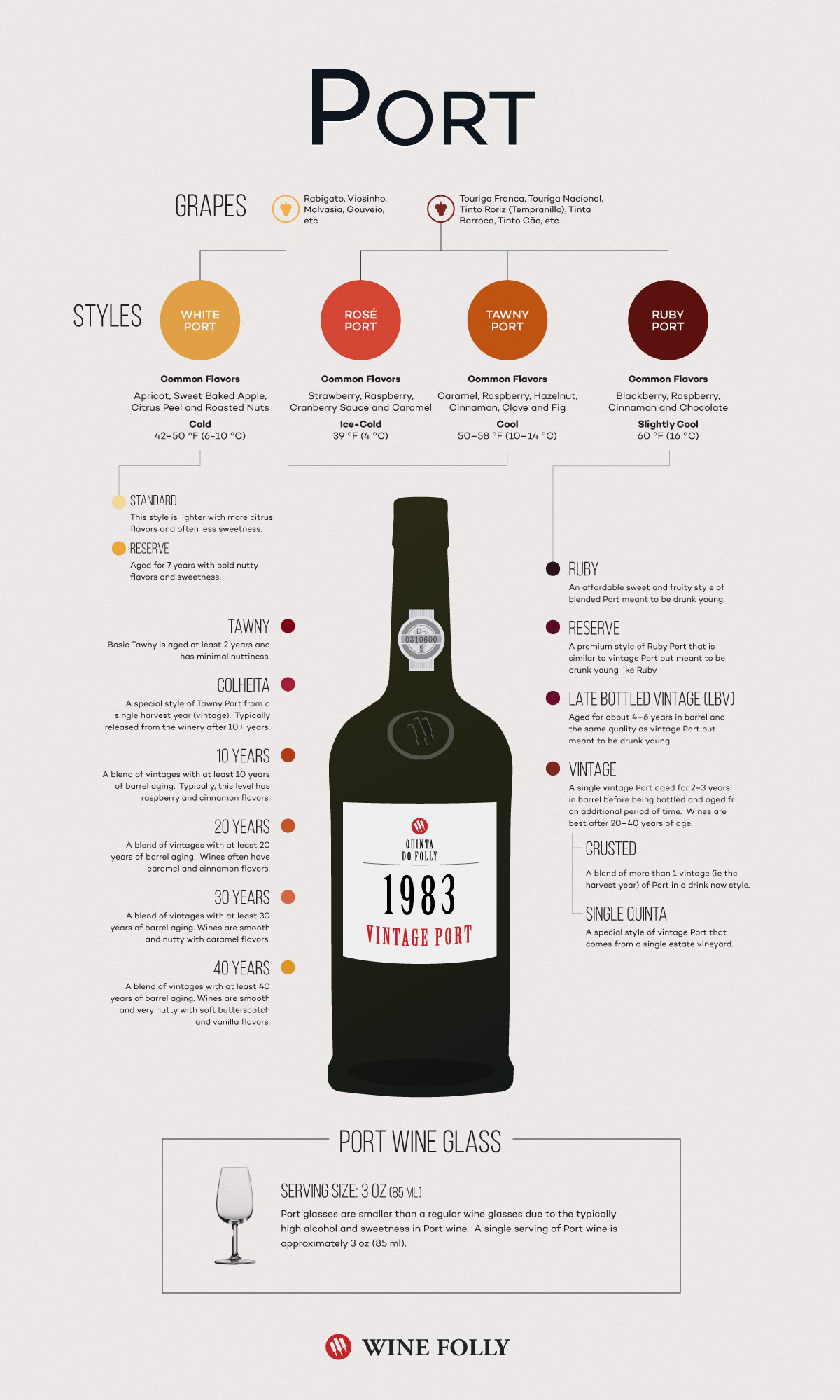
The British love Port wine. Actually, the British like all wines, but during the Napoleonic wars in the early 19th century, the main wine supplier was France, and since we were at war with them, they weren’t that keen on selling to us. Port wine (from Porto) has a higher alcohol content and so could survive the much longer sea transport to Britain without spoiling. Sales of Port boomed and a new industry was born. When you travel along the Douro river, you pass miles of immaculately tended vine terraces, with the household names of the estates (Quintas) painted on the sides of whitewashed walls. Taylor’s, Sandeman, Cockburns, Dow’s. There’s so much more to Port than we think; Ruby or Tawny, Late Bottled Vintage, Rosé and a sensational Dry White. Please drink more of it in general, not just at Christmas, but please don’t, ever, make a hole in a wheel of Stilton cheese and pour Port inside. Just don’t! It’s the only known way to ruin both at the same time. While on the subject of wine, don’t miss Vinho Verde. This Portuguese (usually but not always white) wine is young, light and often slightly sparkling and served with fish, makes the two sing together in harmony.
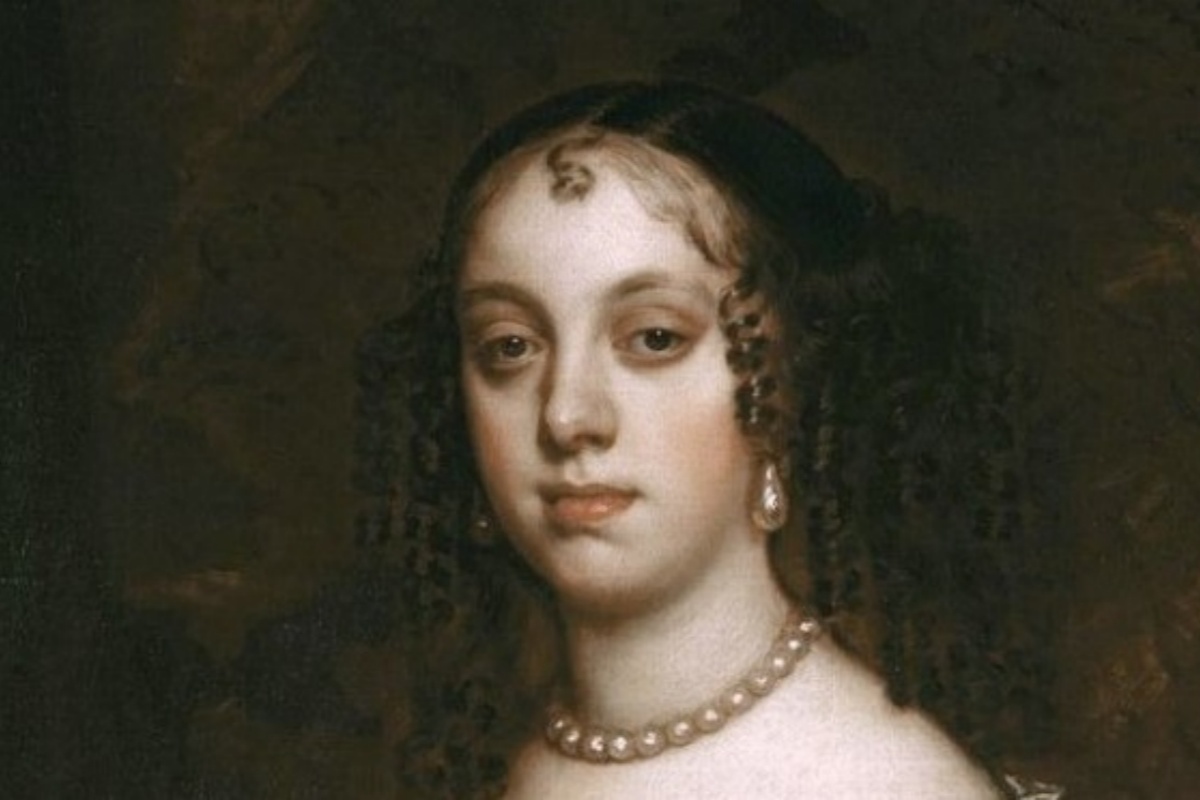
1662, when Catherine of Braganza (daughter of Portugal’s King John IV) married England’s King Charles II she came with bundled with a dowry that included money, spices, treasures and the ports of Tangiers and Bombay (I’d have said yes to that lot too, in a heartbeat). At the time, thanks to their colony in Macau (China) tea was very popular in Portugal, while in Britain it was only consumed occasionally as medicine. Queen Catherine made tea drinking fashionable and popular amongst the English aristocracy. Her tea crates were marked with the words Transporte de Ervas Aromaticas (Transport of Aromatic Herbs) – later abbreviated to T.E.A. which is why we call it… Tea.
Finally for the British (or I suppose, anybody) in Portugal, things just seem to work. They don’t usually do drama, wildcat strikes, violent protests, loud altercations or Go-Slows. There are a surprising number of people from former colonies in the cities, but everybody considers themselves Portuguese and the various communities rub along quite happily together. Things tend to function pretty well in general , and when they don’t, they find a way to fix the problem – good news for Tour Managers as well as clients. The country has long marketed itself as the ideal place for Senior Citizens and Digital Nomads with an affordable and relaxed lifestyle. Since I’m both, I’m inclined to agree.
Great Rail Journeys offer a number of ways to explore Portugal, including cruising along the river Douro. There are specialist and dedicated Tour Managers for the river cruise ships, so you probably won’t get me – I prefer my trains! As mentioned above, I’ve just completed Portugal, Spain & the Douro with a group of clients who seems to have enjoyed themselves. If you asked me (you didn’t, but that is writers privilege) I would say that my Tour highlights were…
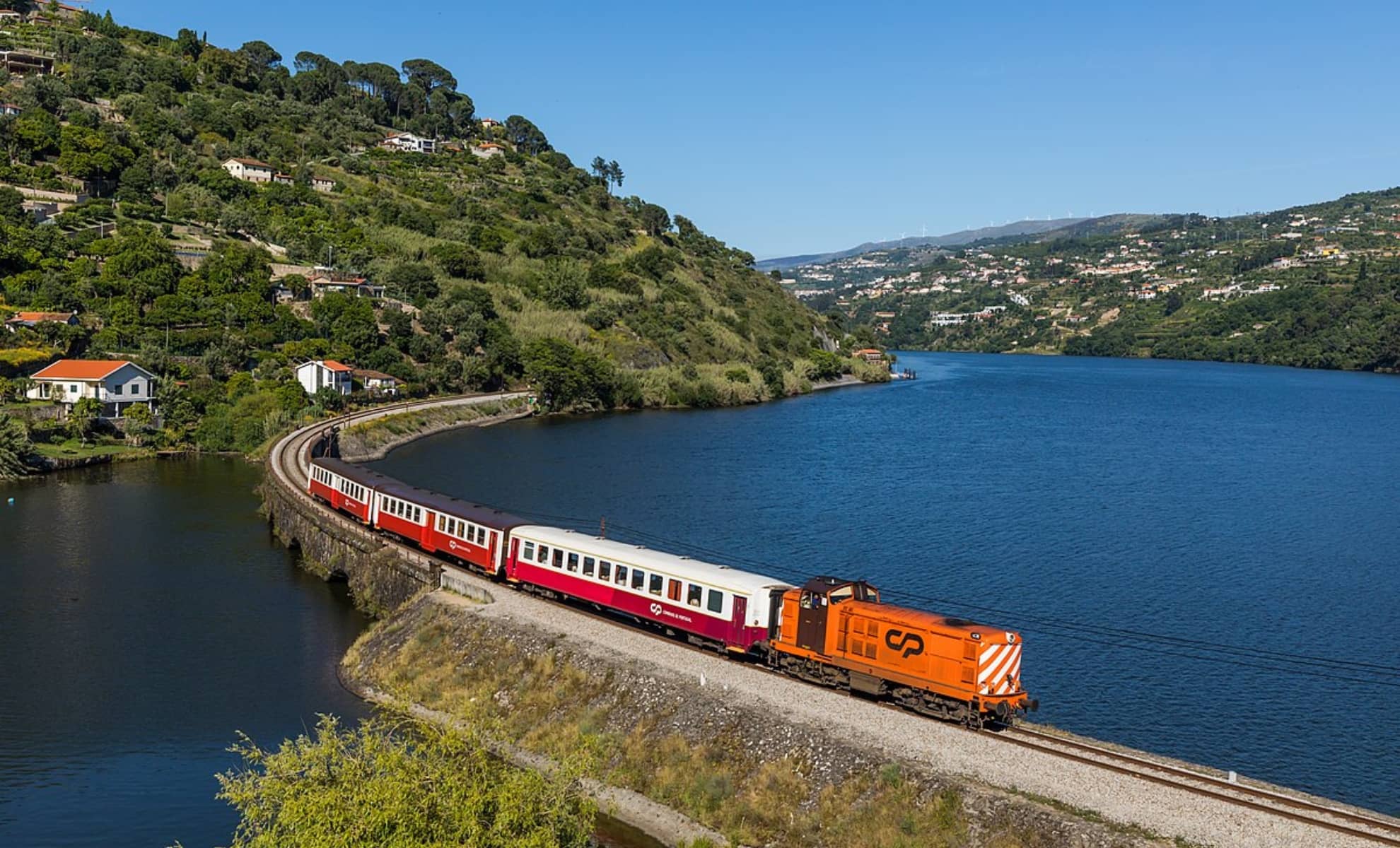
- Our journey on the Linha do Douro railway along the Douro Valley. This 99 mile line follows the contours of the Douro River valley. It’s another brave little train that tacks on a single track line, offering spectacular views. There’s no air-conditioning – you open the windows and enjoy the cooling breeze. The line finishes in Porto at the beautifully blue and white tiled São Bento station.
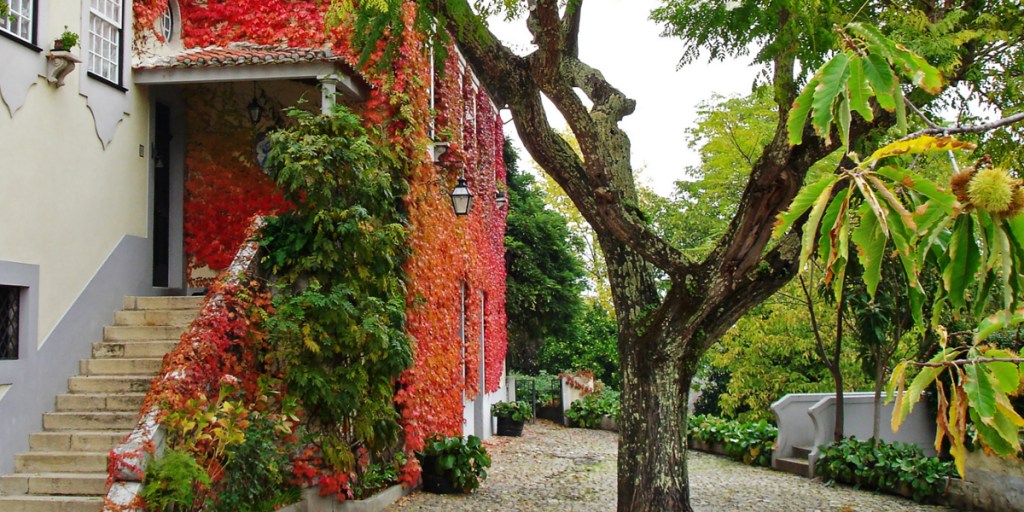
- A gorgeous private tour and dinner at the Quinta da Casa Amarela, a wine estate in the hills of the Douro Valley. They still crush their grapes by hand (Foot?) and if you fancy the idea, you can visit during the picking season and trample the grapes while drinking their wine for as long as you feel like. Or, since you’re drinking their wine as you trample, as long as you can stand up.
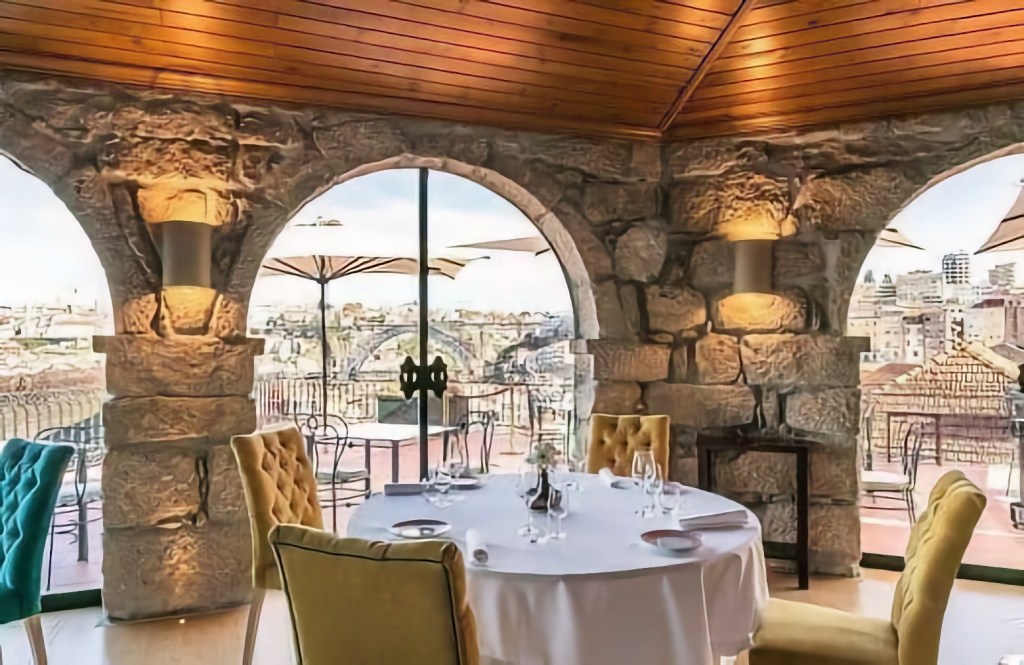
- Dinner in Porto at Taylor’s Port wine cellar. The polar opposite of the Quinta, this is white tablecloth formality overlooking the city and bridges at night.
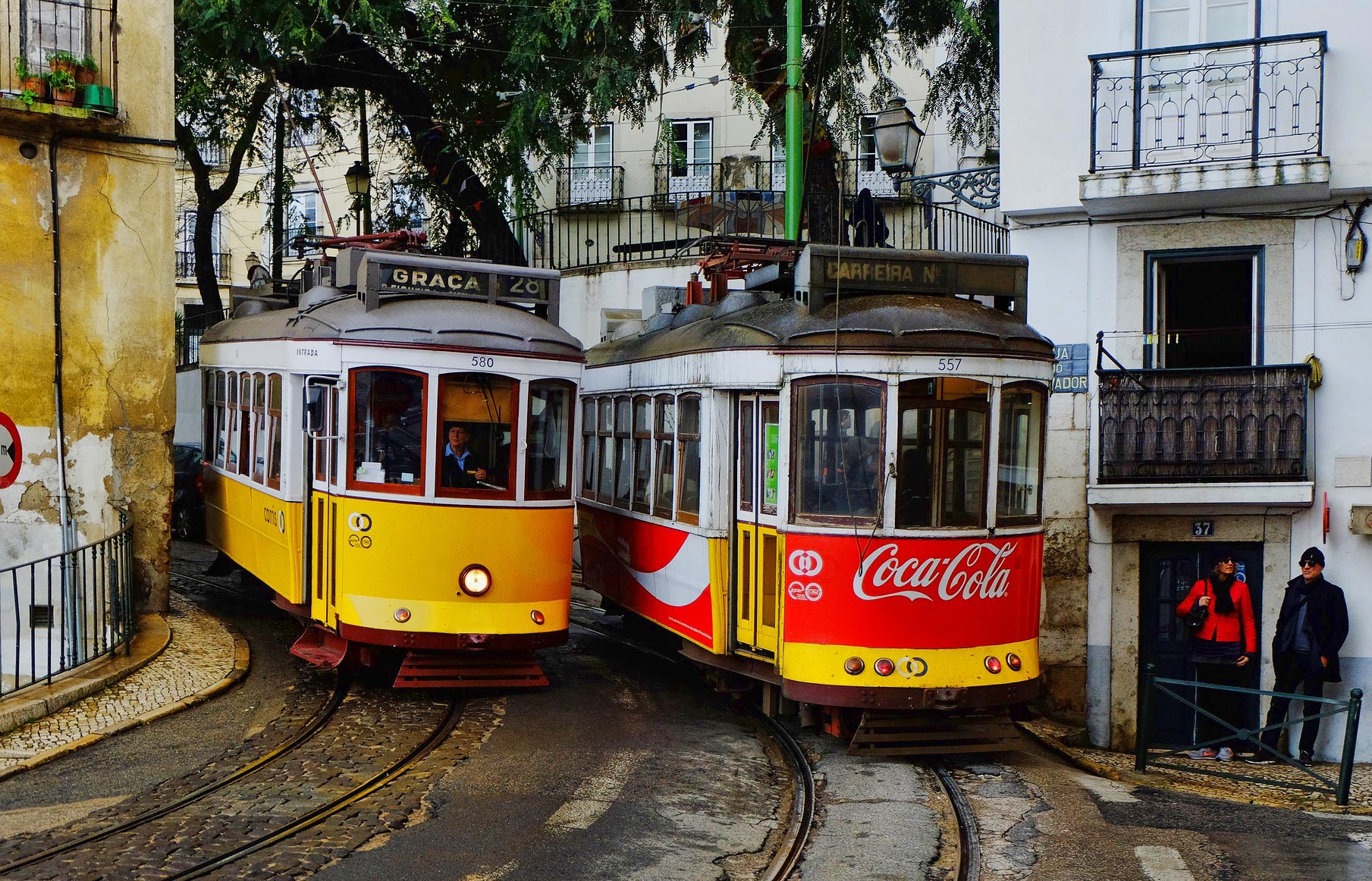
- A private vintage tram tour of Lisbon, rattling through the narrow winding streets.
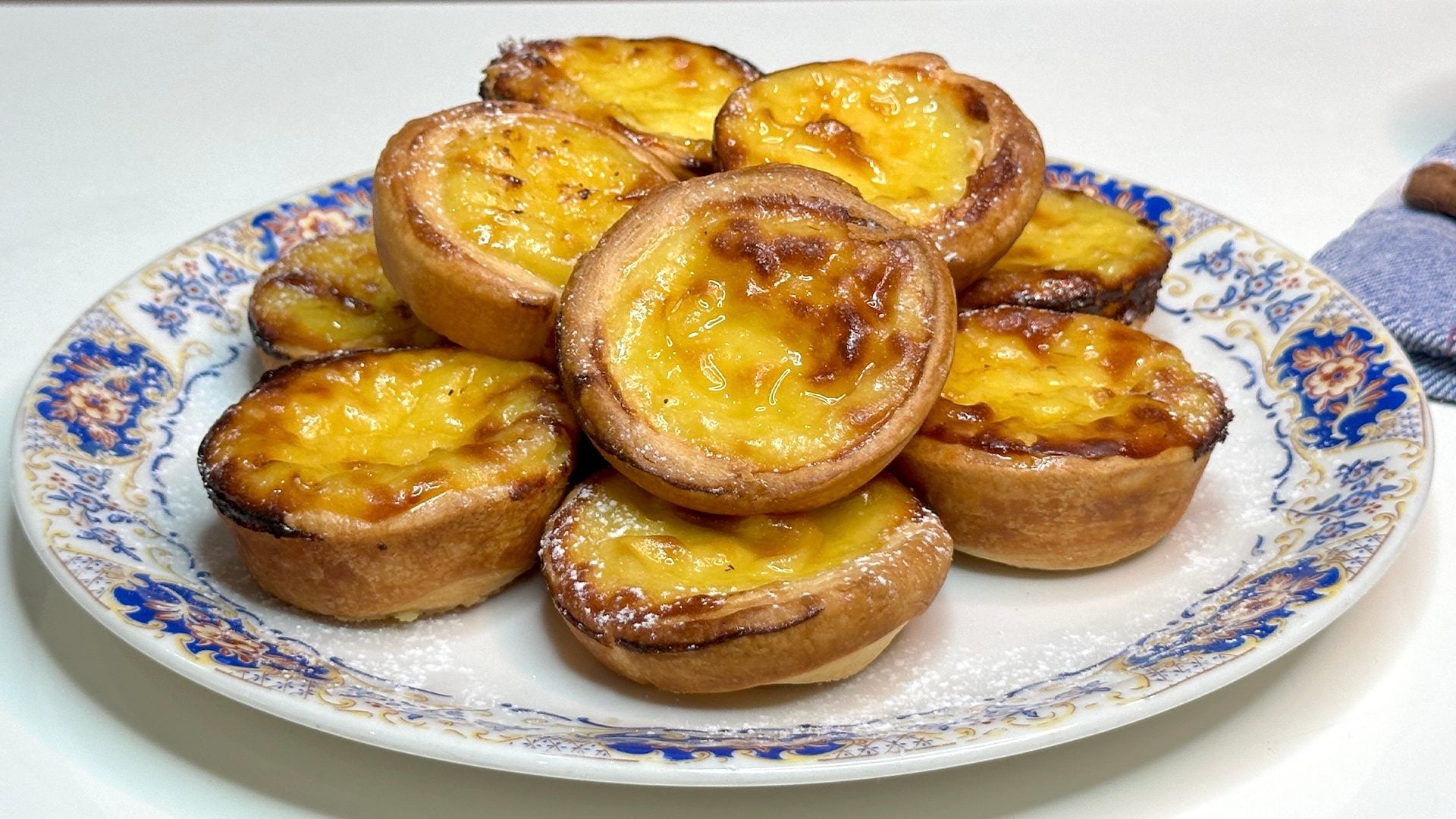
- Pastéis de Nata, the small crispy custard tarts which are available everywhere and are the main reason that I haven’t lost weight on this Tour. Light flaky pastry, delicate custard filling and a dusting of cinnamon and one is never enough. Portugal has a very sweet tooth, be warned.