


Aaaaah… Sri Lanka. Have you ever had that thing where you’re in love with a place but when asked why, It’s tough to explain? When I see Sri Lanka on my upcoming list of Tours, I take quiet pleasure every time. It’s not easy explaining why, but I guess my job on this Blog is to do so, so therefore, here we go…
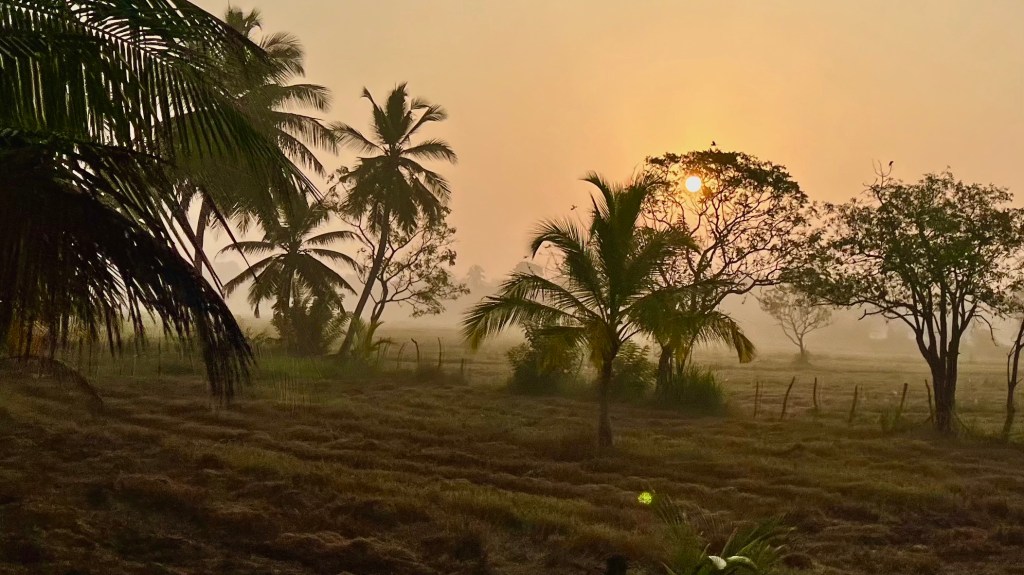
I think I’m going to settle for the Sri Lanka Smile. This country has been through a succession of truly awful events (see below) but despite all of the problems, the people are possibly the most welcoming that I have come across anywhere in the world. The Sri Lanka Smile beams at you throughout your stay, and it is astonishing that people should still be able to offer it. After a long period of self rule with a kingdom centred on the central town of Anurādhapura, the Island was successively occupied by the Portuguese, then Dutch and finally the British, who renamed the country Ceylon. During World War II, following the fall of Singapore, British Command and Control Centres for the far East were transferred to Sri Lanka, and the ports of Colombo and Trincomalee were bombed by the Japanese. Independence came in 1948. Tensions between the majority Sinhalese and minority Tamil communities were inflamed by successive community leaders, and a vicious Civil War erupted that lasted 26 years. In 1972 the country became a Republic and was renamed Sri Lanka. The 2004 Asian tsunami killed over 30,000 and displaced over 500,000 people in Sri Lanka. The nation was hit hard by the 2008 world economic crisis, and then in 2019… the government of the day tried to convert the agricultural economy to being purely organic by banning fertilisers, a bright idea which reduced the rice crop (amongst others) by 50% and caused civil unrest. Tourism vanished and the Sri Lankan Economy went South at a rapid rate.
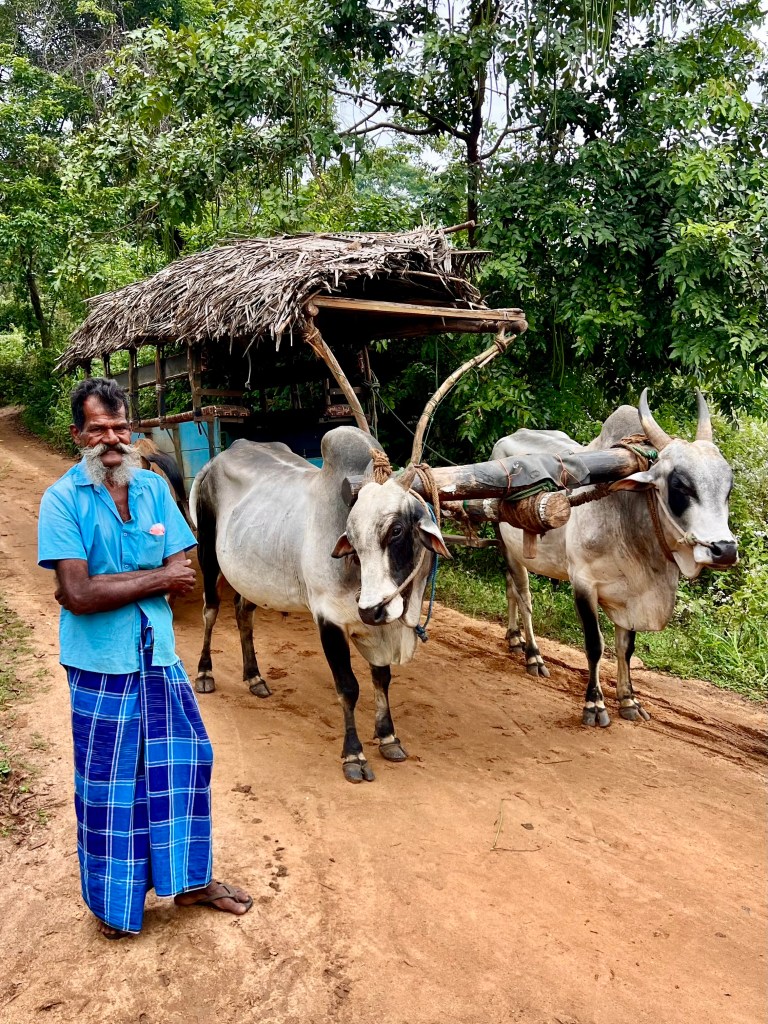
Things are much better now. They’re in a good and happy place and heading North again. Tourists are returning (and they should, there’s never been a better time). Despite all of this turbulence, you’ll still arrive and immediately notice the Sri Lanka Smile, and like me, you’ll wonder how they find the resilience to hit you on full beam with such a welcome. I feel a real affection for the Sri Lankan people (matching that for the Cambodians). Life just keeps on crapping on their heads and yet somehow, they turn up smiling; that takes a particular kind of strength that is rare, and to be admired.
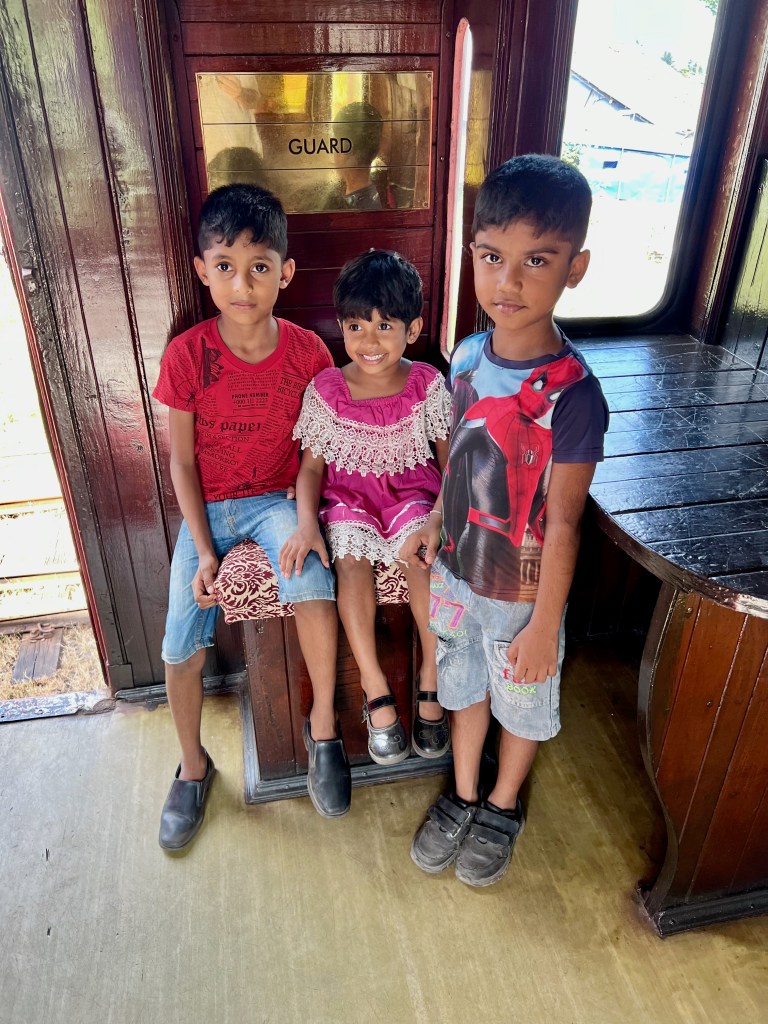
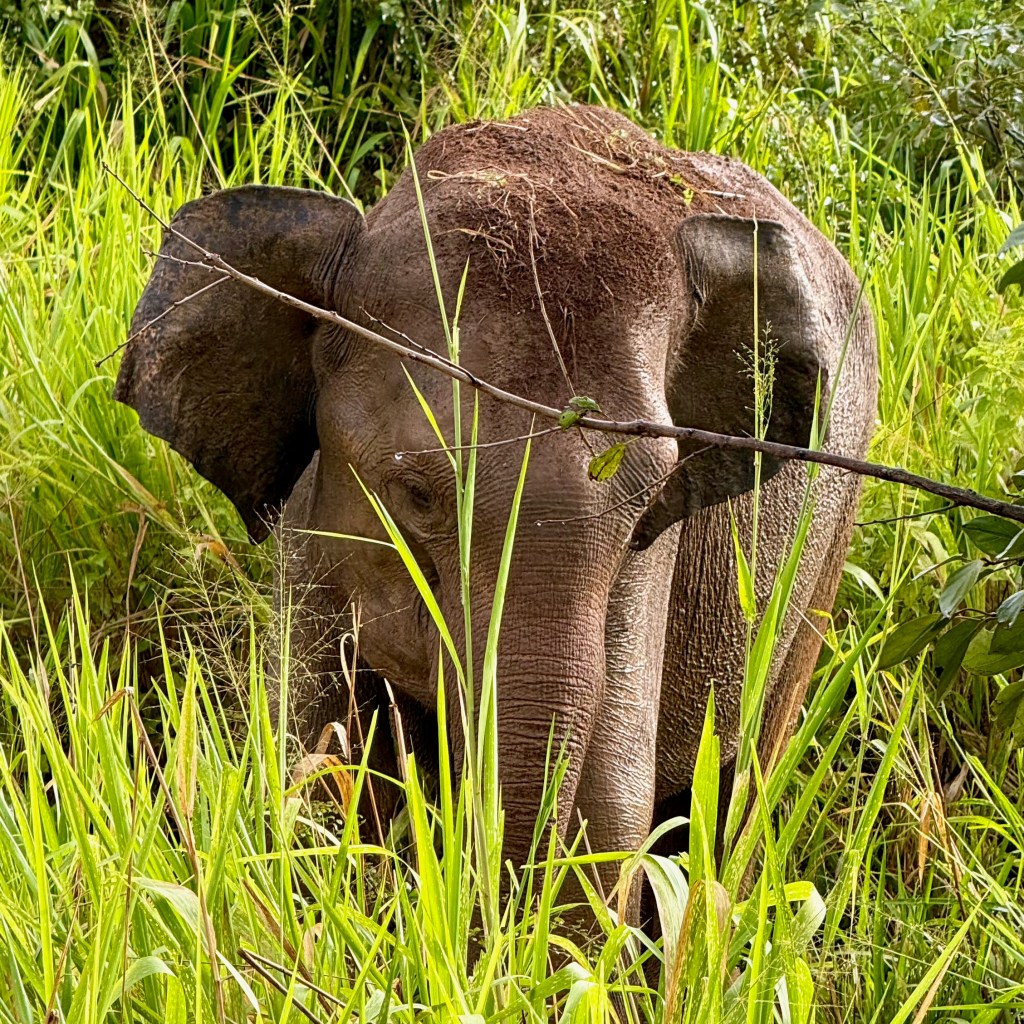
So, apart from the people, what else is there in Sri Lanka that makes it a special place to visit. Well, since you ask, there’s a lot. Let’s start with wildlife and specifically elephants. Sri Lanka has the highest density of elephants in Asia. You don’t need to search for them – they’re everywhere and by their nature, they are easy to spot (there are about 8,000 wandering around). There are 233 resident species of animal, (33 endemic) – but migratory species stretch the number to an astounding 482. Included in that is the Sri Lankan Leopard, most of which may be found in the Yala National Park which we visit on the Great Rail Journeys Tours. It’s worth pointing out that both Elephants and Leopards are a significant and ongoing danger to humans in rural areas, not just a tourist attraction. An Elephant will go where it wants to go, given its’ size, and if where it wants to go is your back garden, the stage is set for confrontation. Leopards are predators and have killed more than 30 people over the past few years, often tea pickers.
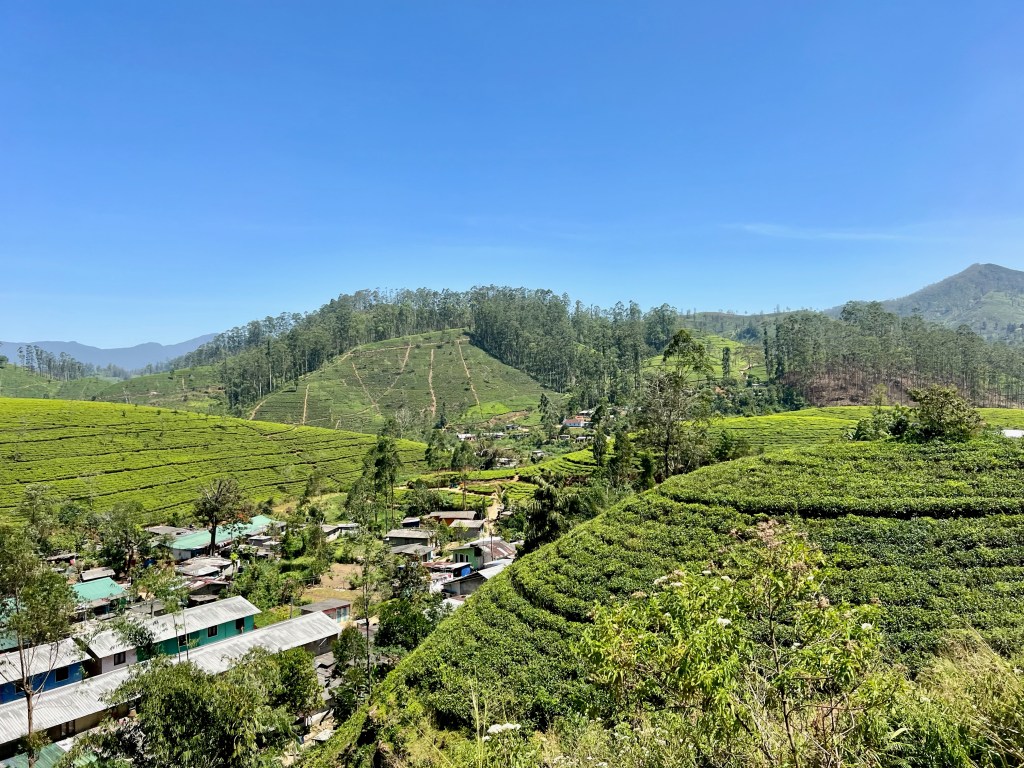
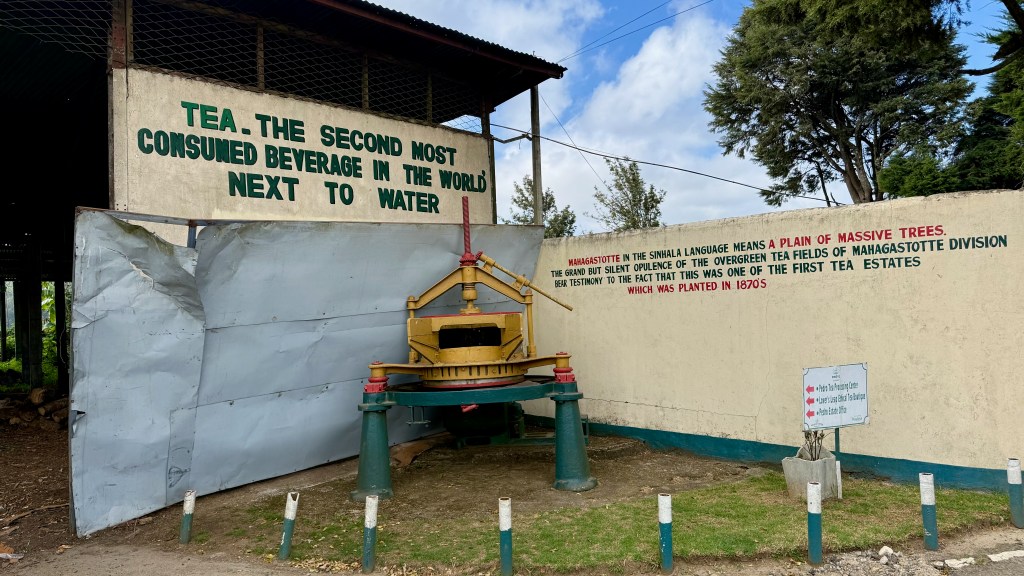
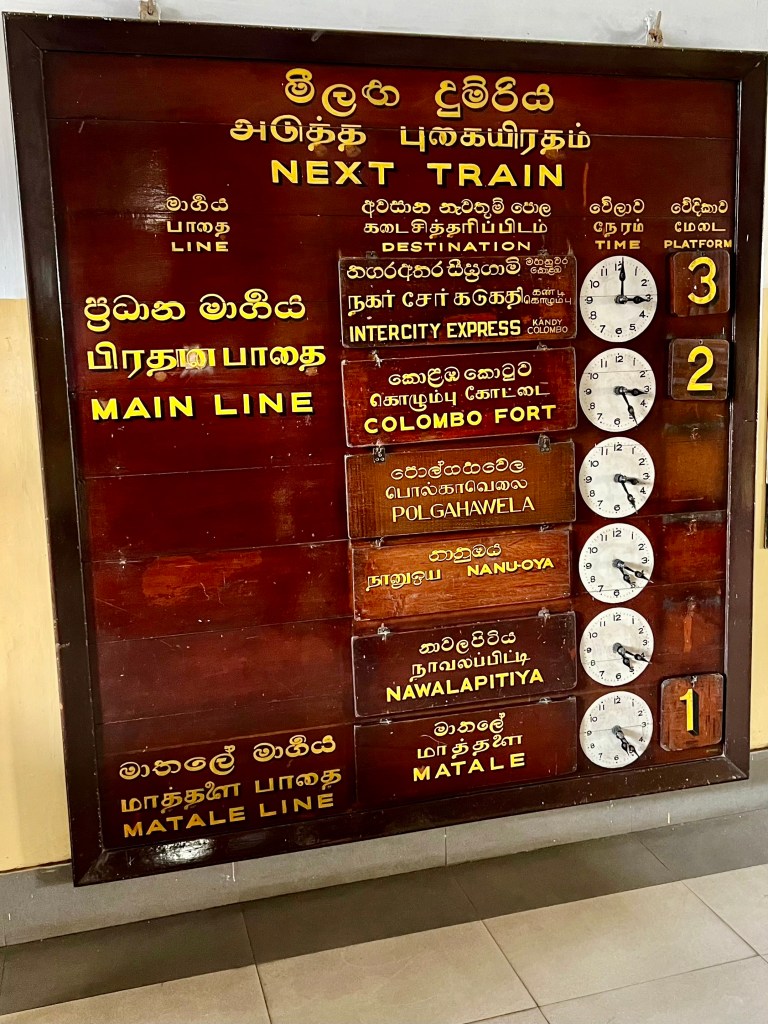
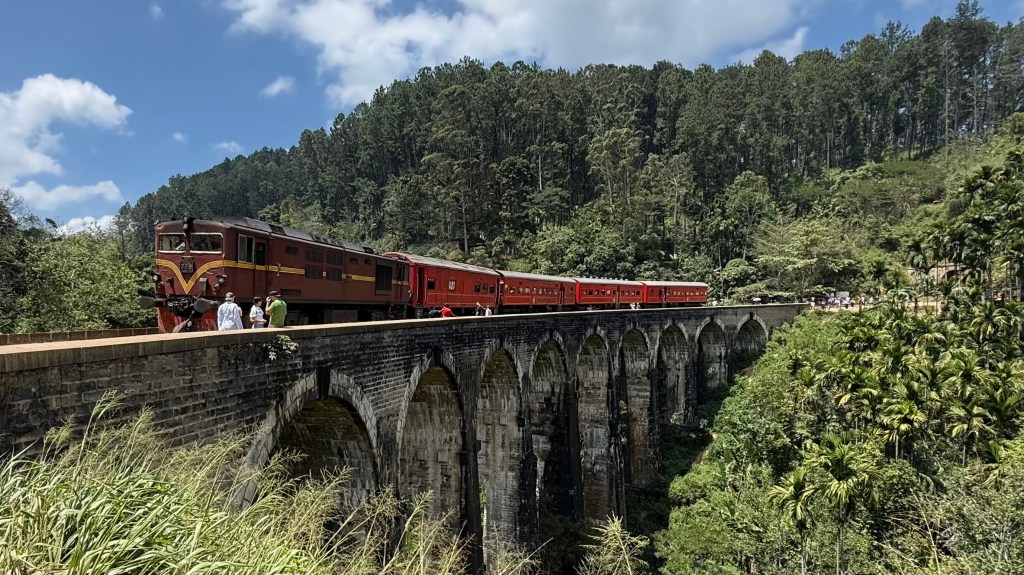
What else? Tea, of course. Originally, the British decided that Coffee was the ideal crop for Sri Lanka – and it was, until suddenly, it wasn’t. A leaf disease devastated the entire coffee crop in 1869, destroying the entire industry within 15 years. A Scottish planter named James Taylor discovered that Tea could flourish in place of coffee and Ceylon never looked back; In 2019, Sri Lanka was the fourth largest tea producer and the third largest tea exporter in the world. Tea is the most drunk beverage in the world (after water) and the U.N. estimates that the world drinks about six billion cups of tea a day, with Britain consuming a mere 100 million daily. Starbucks may rule the world in the USA & Europe, but far more people quietly enjoy their “Chai” or “Cha”. The wonderful thing about the Tea plantations is the way they bring the countryside to life. The paths for the tea pickers follow the contour lines of the hills decorating them with manicured bright green Ordnance Survey lines that make them sing in the evening sunshine. Great Rail Journeys Tours travel on the famous (and photogenic) ‘Tea Train’ to Nanu Oya, staying overnight in Nuwara Eliya, the beating heart of tea country: The Post Office for stamps and the Grand Hotel for afternoon tea are reminders of British colonial heritage and some of the new build residential areas would feel architecturally at home in Surrey.
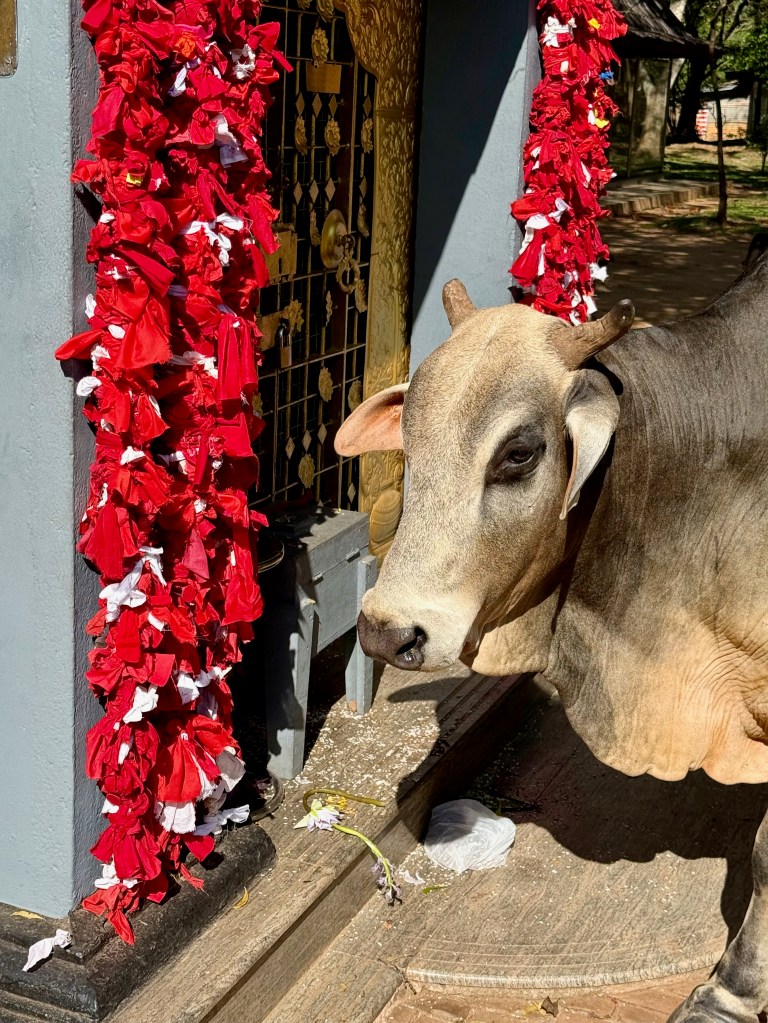
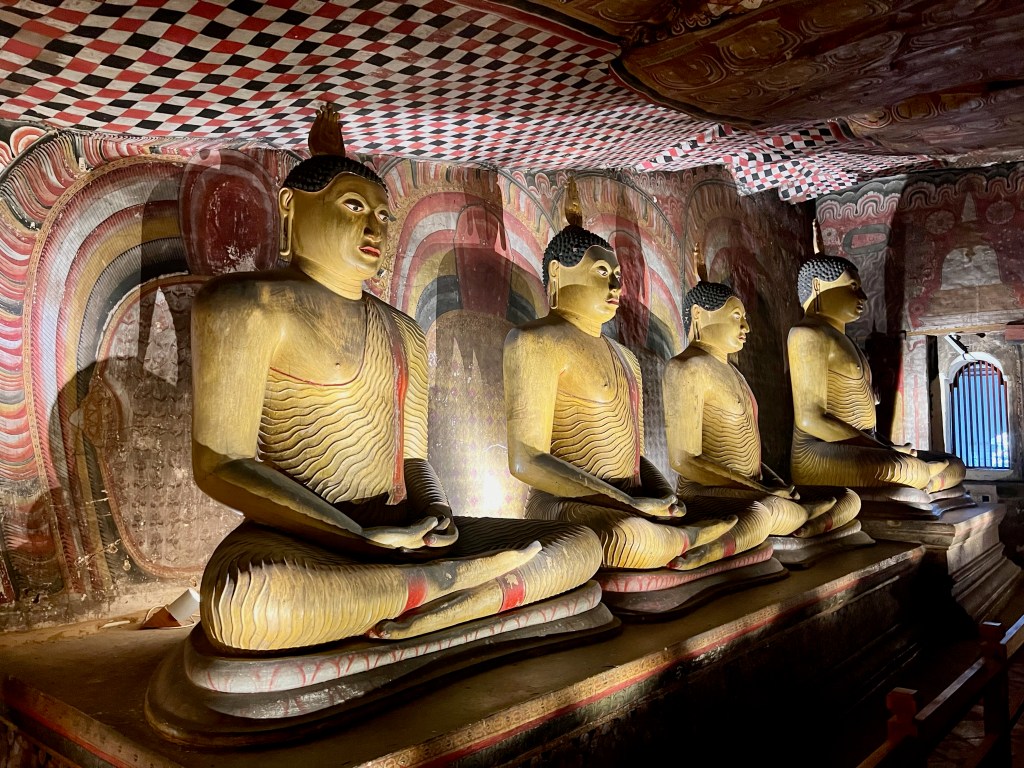
My third reason for being in love with Sri Lanka is… Buddhism. The more I travel East, the more I come into contact with Buddhism and the more fascinated by it I become. It’s safe to say that it is the only global religion that has consistently made any degree of sense to me (except Hinduism, supposedly an offshoot of Buddhism), although it is commonly accepted that it is not a religion so much as a philosophy. Should you want to learn more about Buddhism, the 70% of Sri Lankans who practice it will be happy to advise. Theravada Buddhism is the oldest and most orthodox of Buddhism’s three major sects, regarded as the belief closest to the one taught by The Buddha himself. It is said that Buddha visited Sri Lanka in the 6th century B.C. There are magnificent Stupas (hemispherical structures containing Buddhist relics) all around the island. The first Stupa was built in the former capital Annuradhapura and nearby a Bo tree was planted from shoot of the original Bo tree, under which Buddha attained nirvana (enlightenment) in India. The Great Rail Journeys Tours visit the Temple of the Sacred Tooth Relic (guess what’s inside), Tissamaharama and the Dambulla Cave Temples.
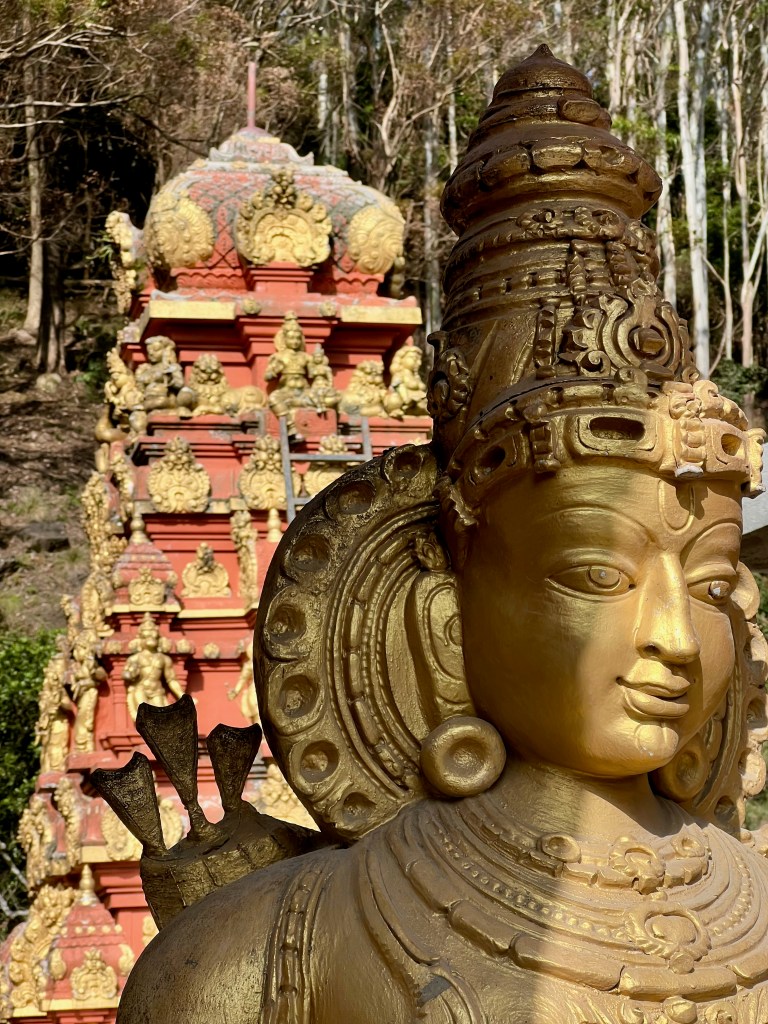
So what do you need to know before you visit Sri Lanka? The climate will be hot and humid in the lowlands and coastal areas, but cool and pleasant in the Highlands where the tea is grown. You will need a linen shirt but also a sweater. At some point you will get rained on so don’t forget to bring a waterproof or an umbrella. The beaches are beautiful, widespread and massive, so a swimming costume is essential. You’ll need to cover your shoulders and knees and remove footwear before entering religious sites like Buddhist temples, Hindu temples, and mosques.
In Sri Lanka, the sale of alcohol is prohibited on Poya days, which occur monthly on the full moon. Your Hotel bar may be able to set aside an area for tourists, but also may not – You’ll need to talk to your Tour Manager.
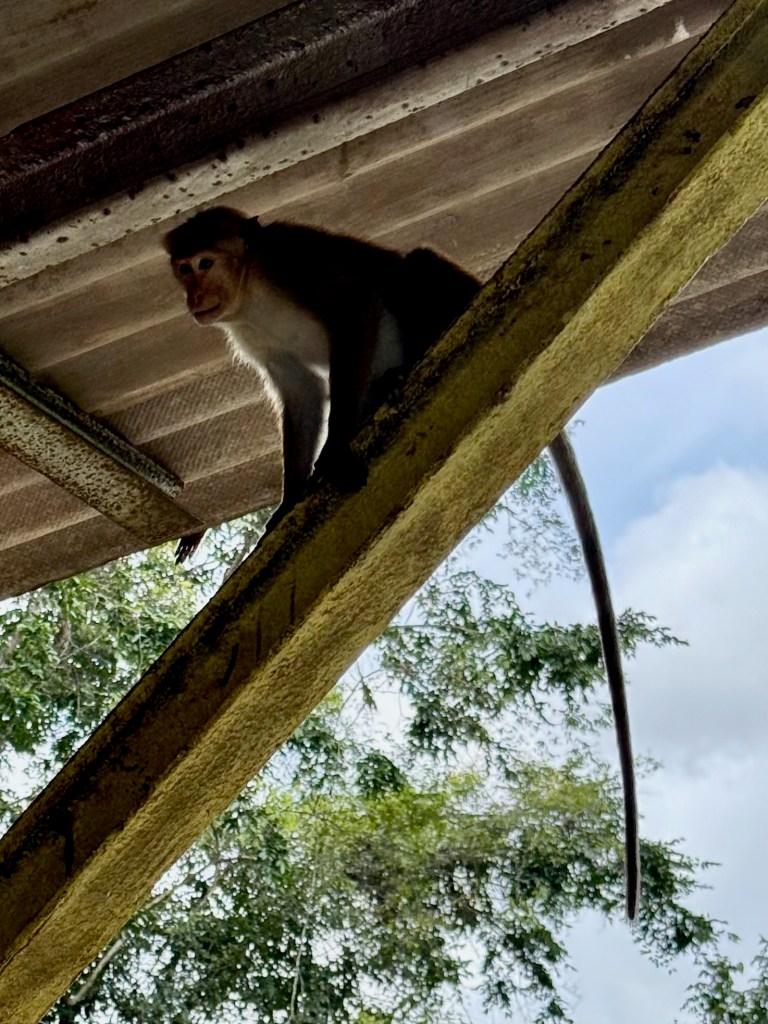
Keep your distance from all wildlife, including monkeys, no matter how cute they look and please don’t attempt to feed them.
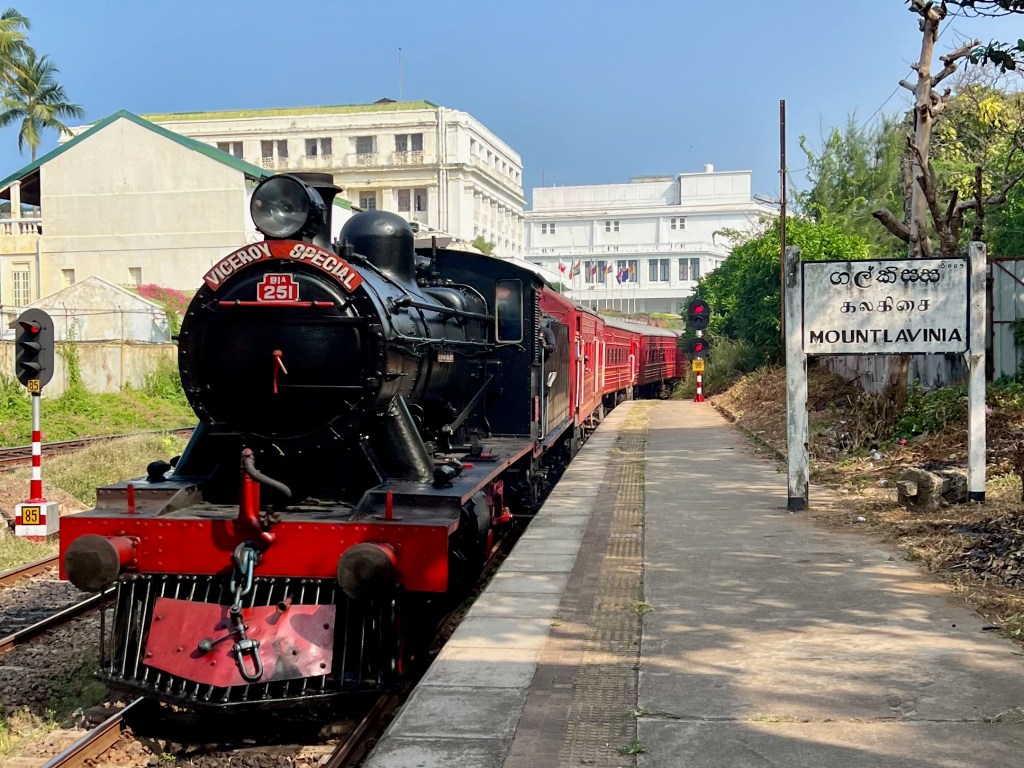
Who should visit Sr Lanka? Everybody, in my view. The island was described by Marco Polo as “…the finest island of its size in the world.” during his travels in the 13th century, and he’d been around a bit. The hotels are superb, the people enchanting and the railway journeys a rare pleasure. I’m going again soon – see you there!


